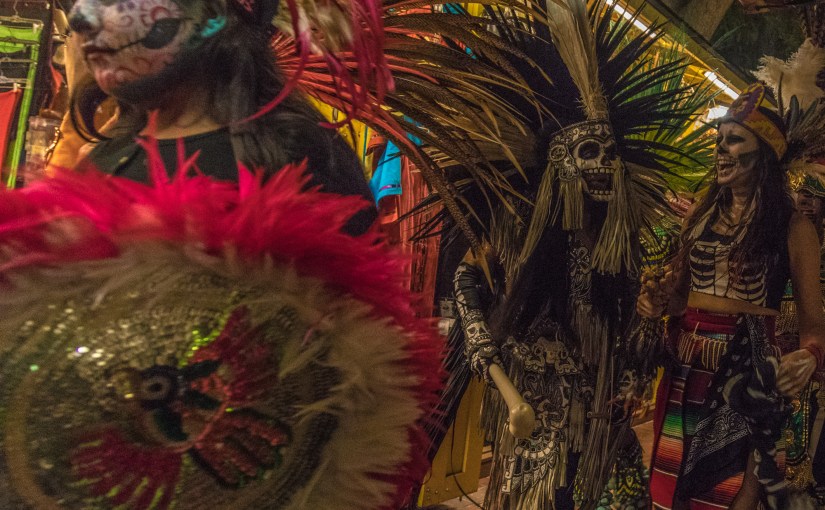
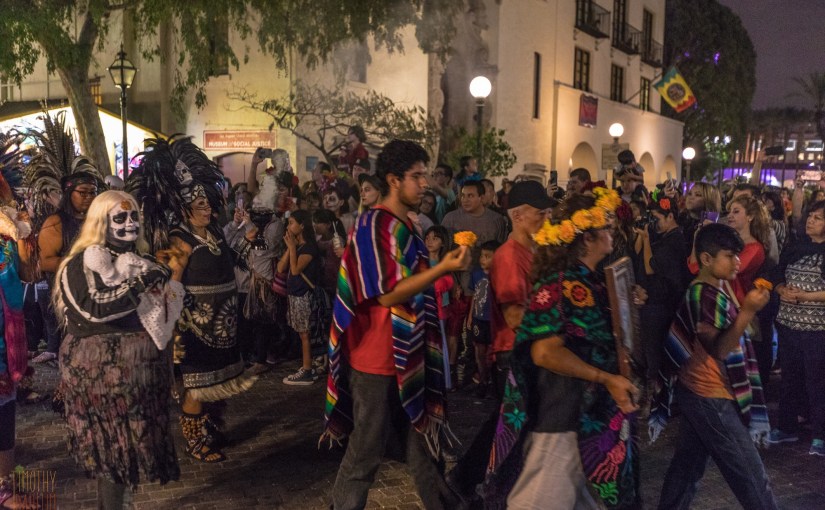
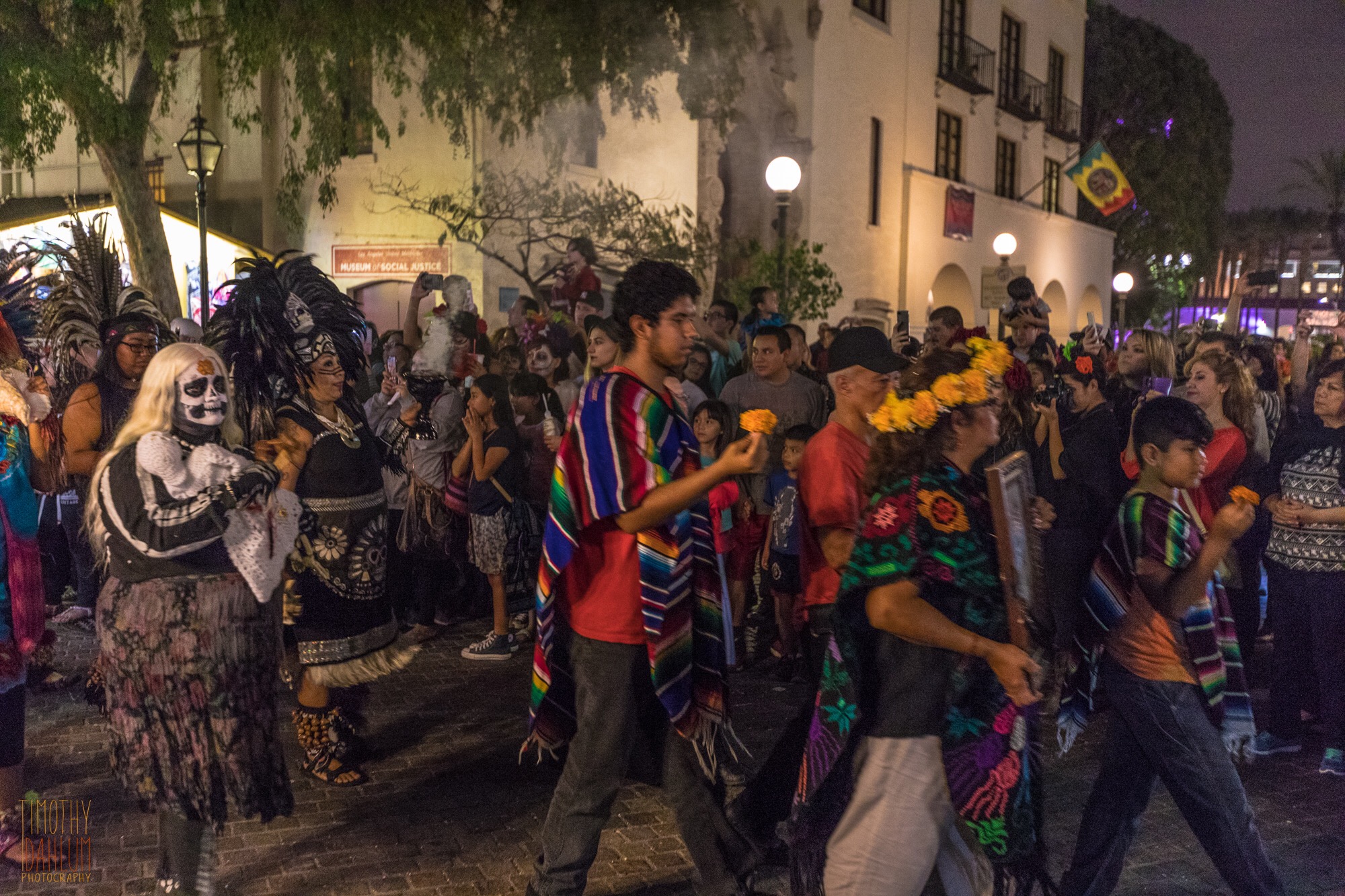
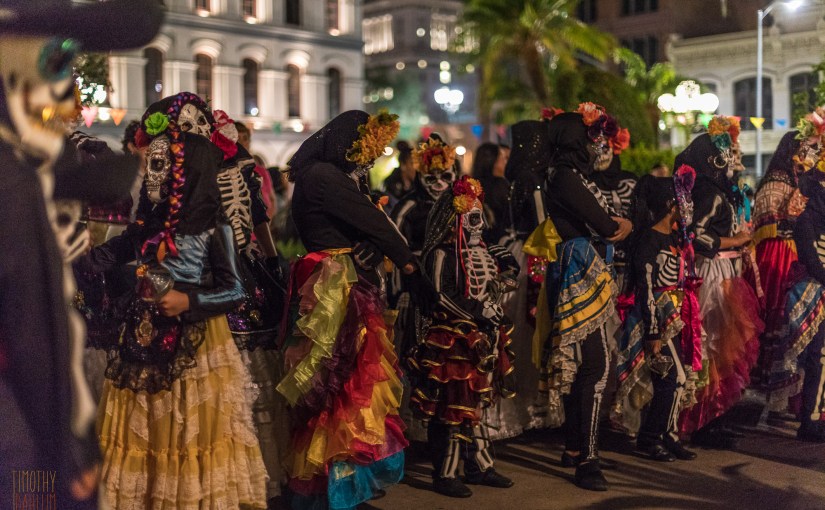
I’m posting this third gallery as I’m about to head out to the eighth, and second to last, night of the novenarios that have been going on at Olvera Street, just north of downtown Los Angeles at the El Pueblo de Los Angeles Historical Monument. For nine nights leading up to the last and penultimate night on November 2nd, there are processionals, offerings, cleansings, blessings, and the construction of altars to remember loved ones who have died. The nine nights of celebrations at Olvera Street are put on by the Olvera Street Merchants Association as a way of honoring and sharing their traditions with the city.
Author: Timothy Dahlum
Dia de Los Muertos, Gallery #2, 2016
My second gallery from the Dia de Los Muertos Novenarios at Olvera Street just north of downtown Los Angeles at El Pueblo de Los Angeles Historical Monument. For nine nights leading up to November 2nd, there are processionals, offerings, cleansings, blessings, and the construction of altars to remember loved ones who have died. The celebrations for nine nights are put on every year by the Olvera Street Merchants Association as a way of honoring and sharing their traditions with the city.
Dia de Los Muertos, Photo Gallery #1, 2016
Here is a gallery of some of the photos and a video from the Dia de Los Muertos Novenarios (nine nights of celebration) I’ve been attending at Olvera Street just north of downtown Los Angeles at El Pueblo de Los Angeles Historical Monument. For nine nights leading up to November 2nd, there are processionals, offerings, cleansings, blessings, and the construction of altars to remember loved ones who have died. The celebrations for nine nights are put on every year by the Olvera Street Merchants Association as a way of honoring and sharing their traditions with the city.
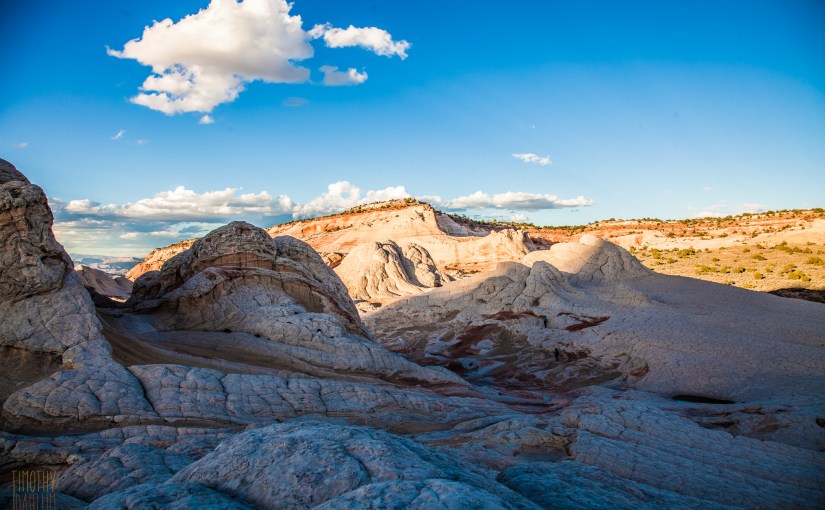
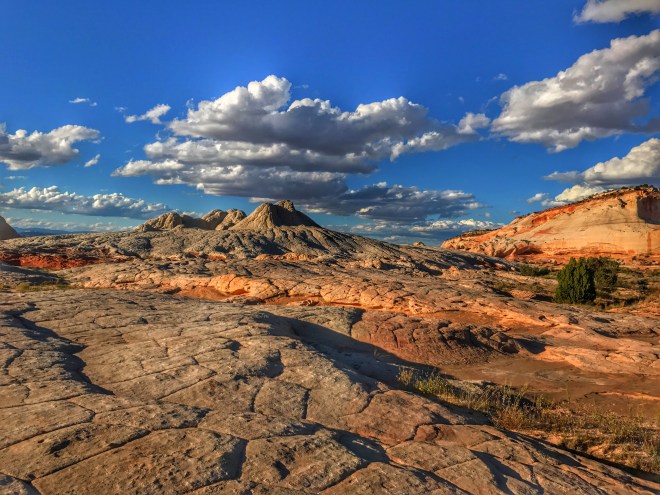
White Pocket, Vermillion Cliffs National Monument


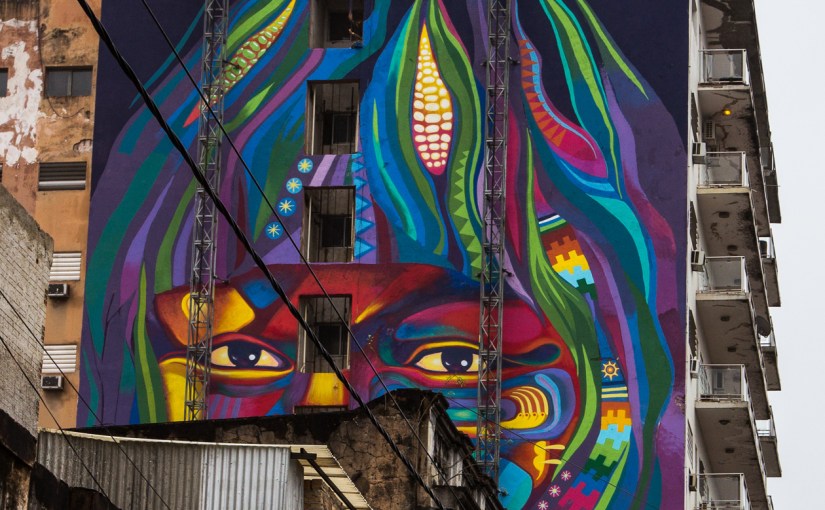
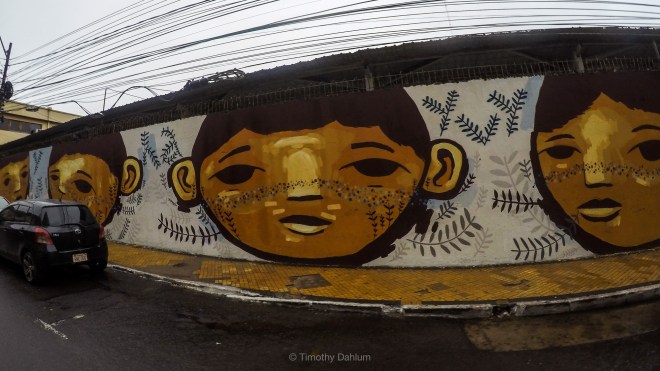
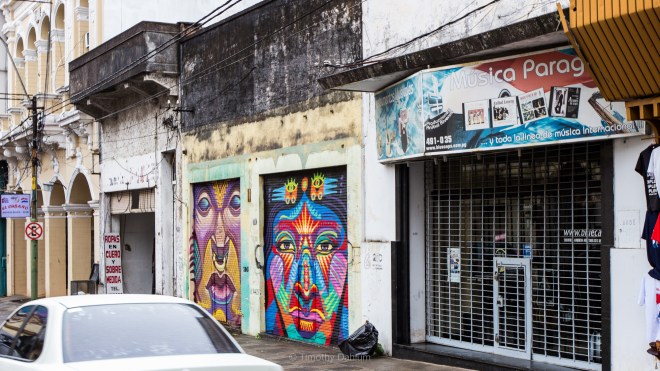
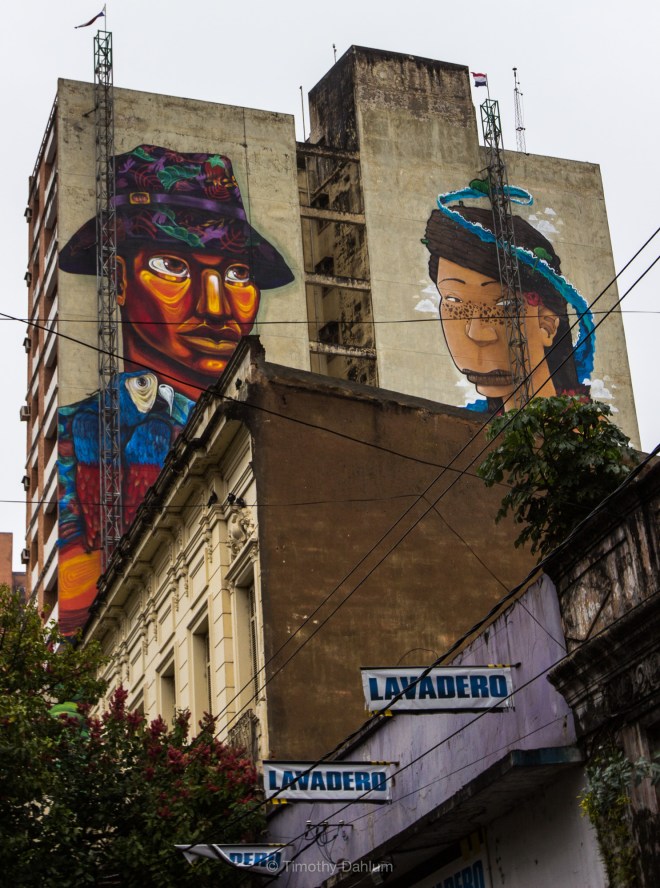
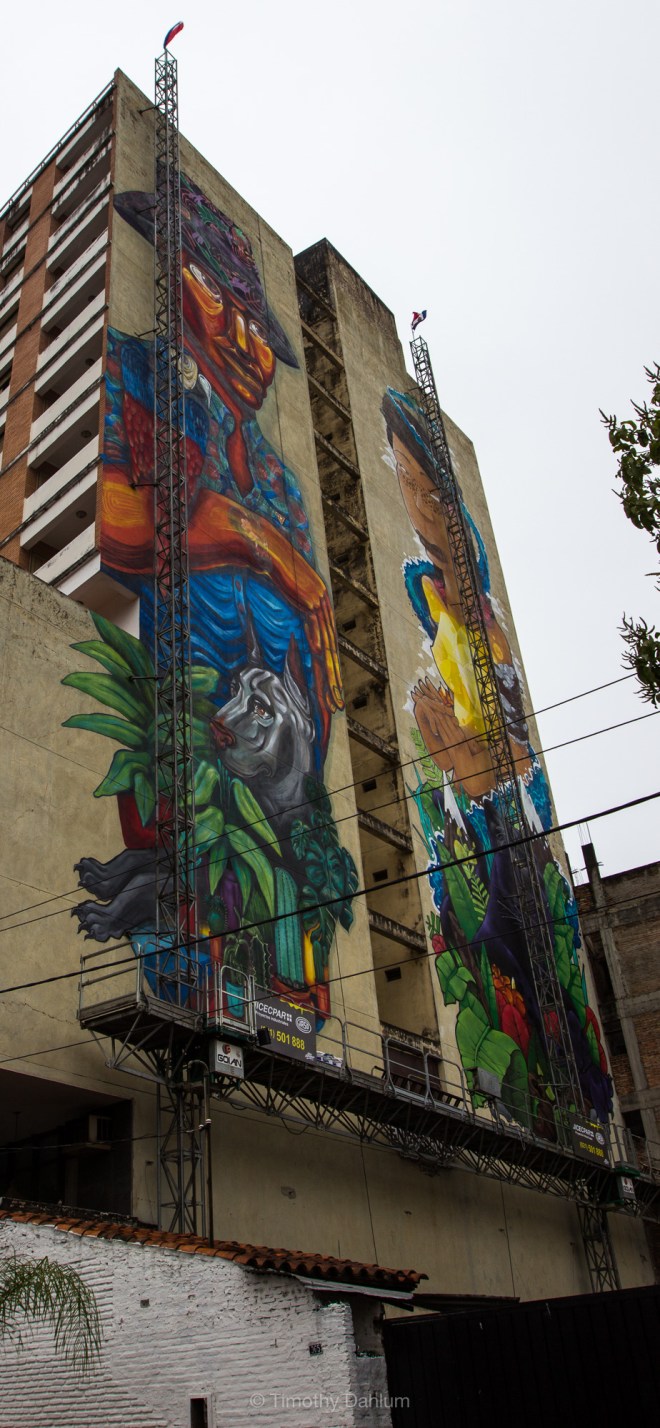
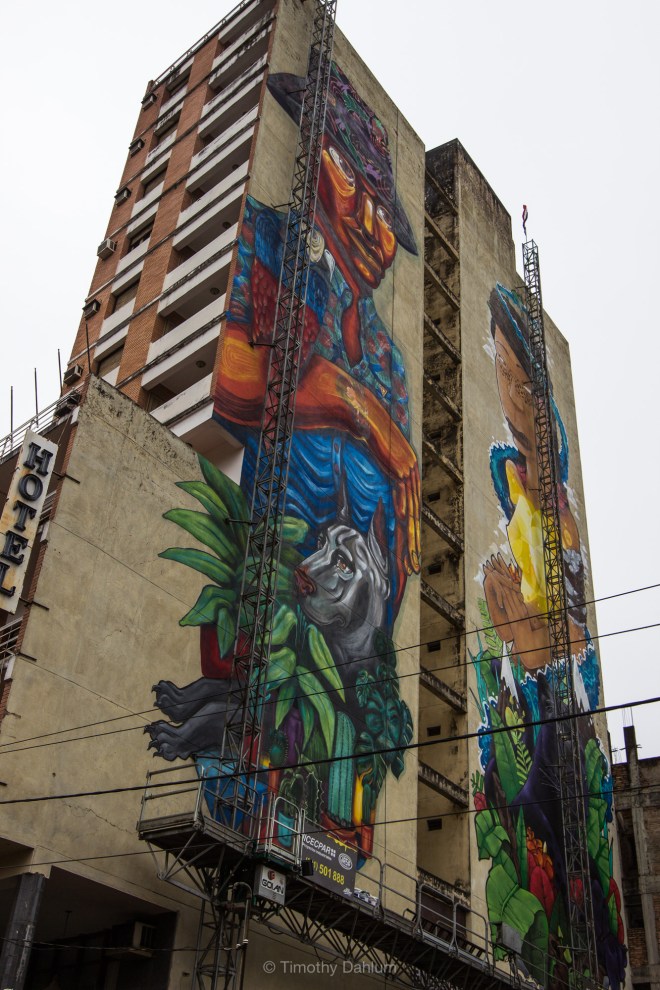
Festival “Latido Americano Paraguay”, Asuncion
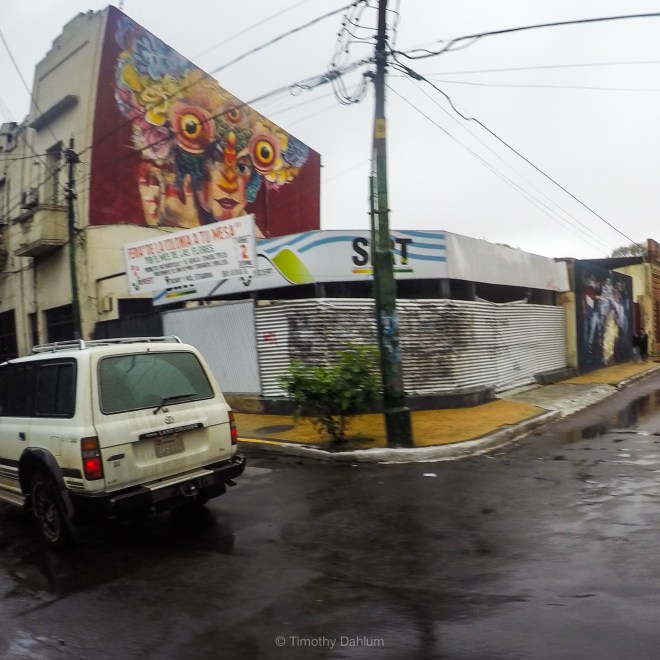
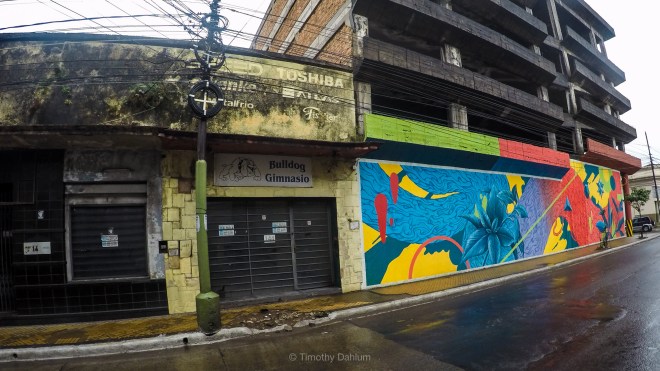
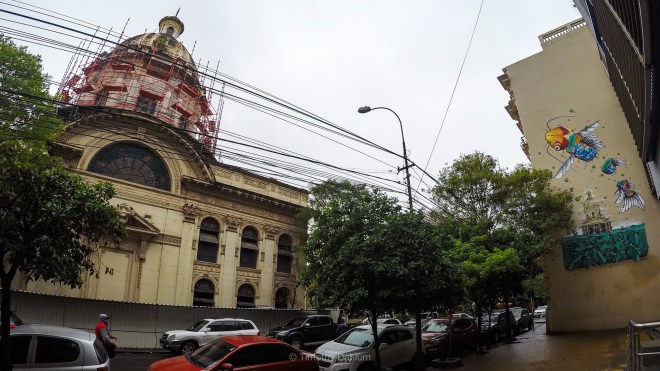
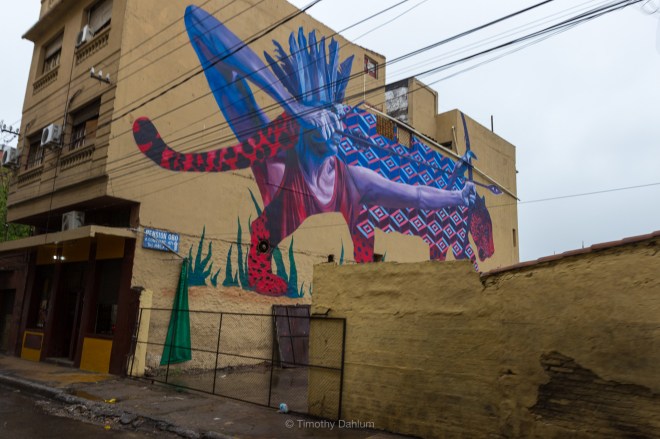
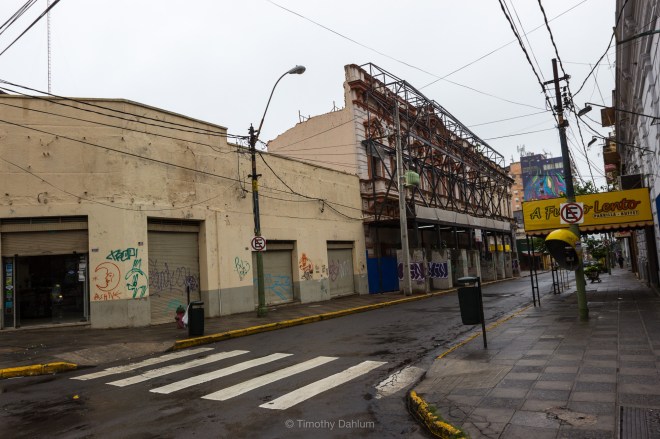
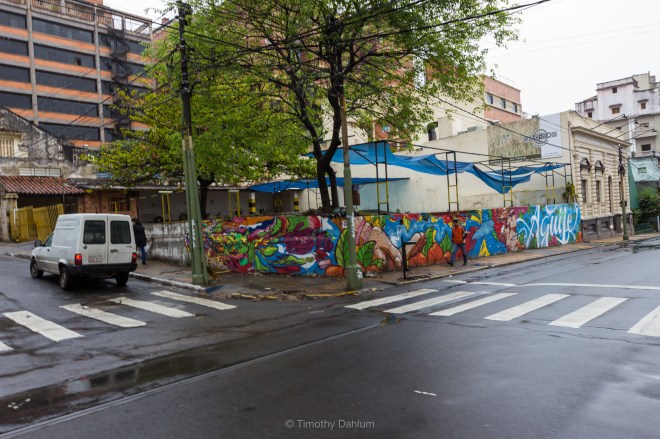
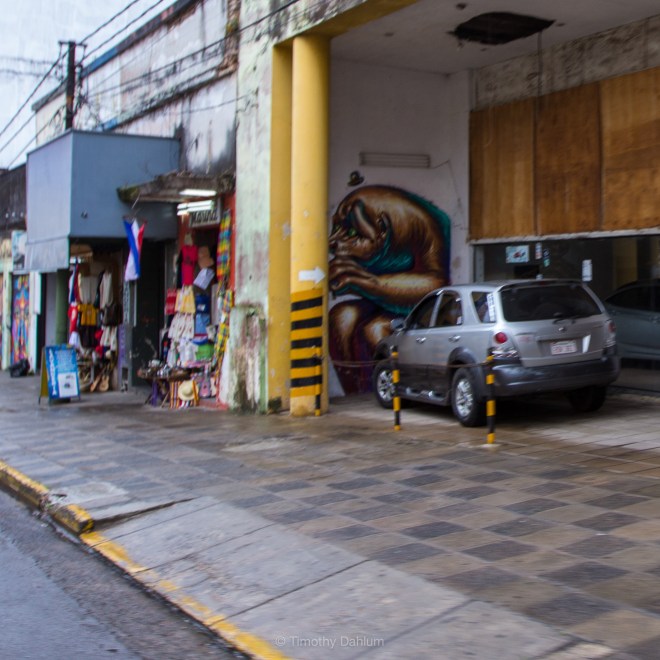
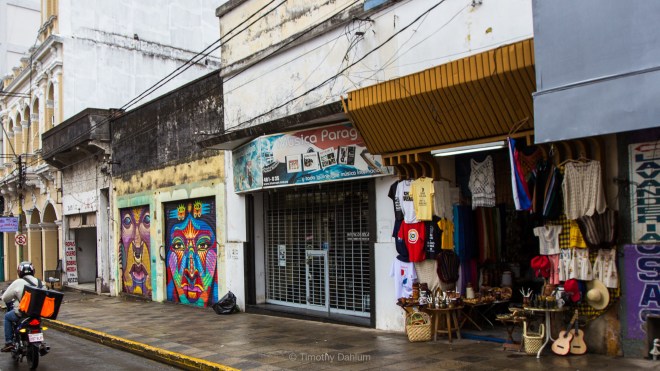
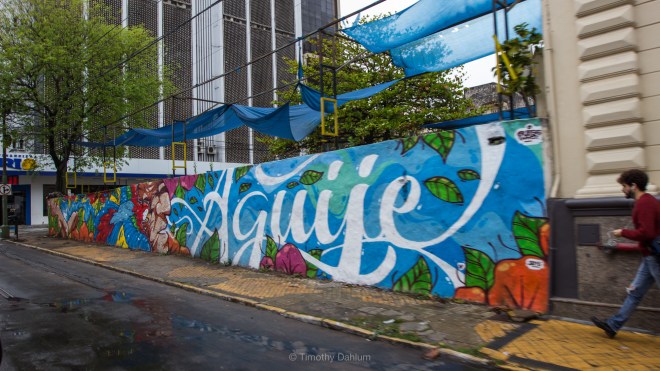
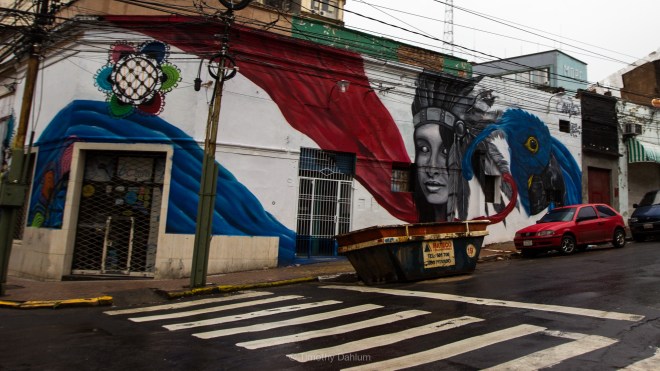
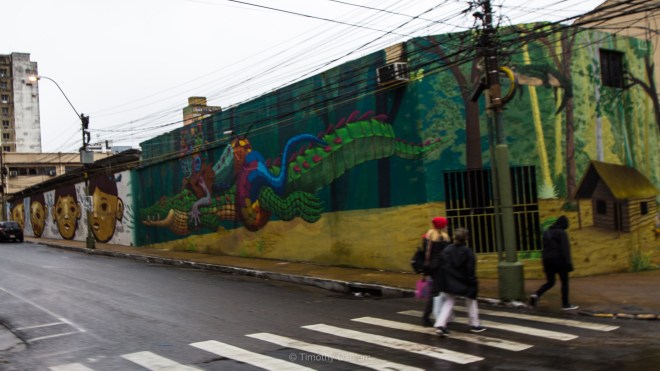
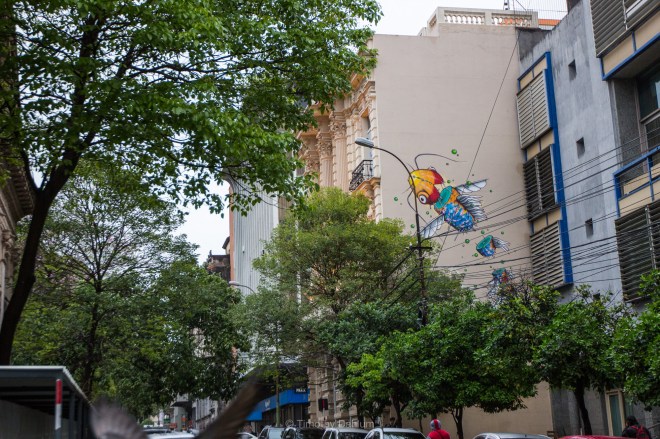
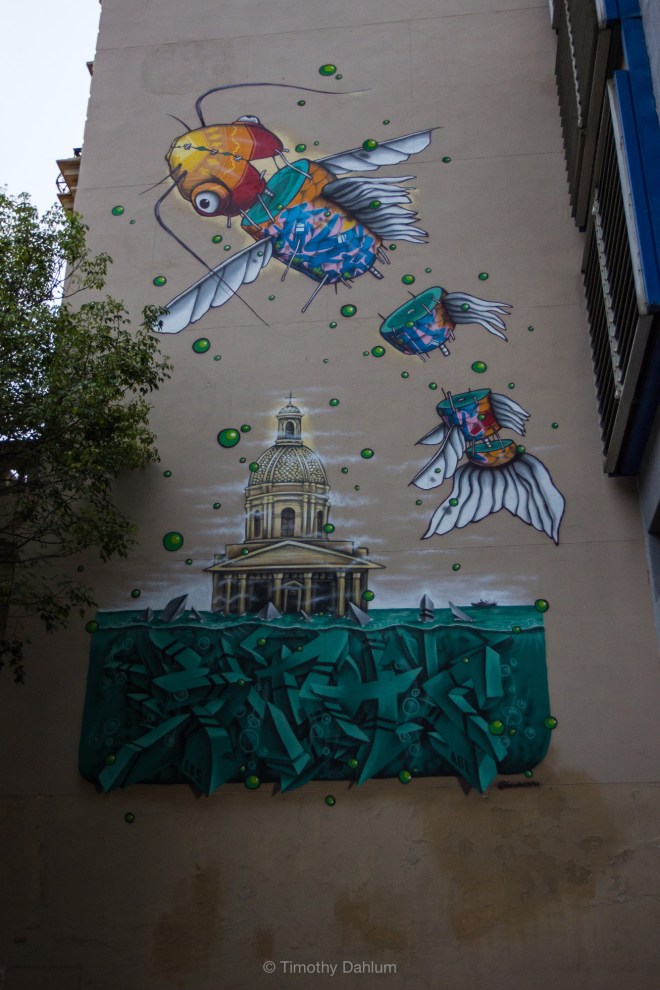
I don’t know why the people of Asuncion decided not to come out in droves for an outdoor food festival in Plaza Uruguaya today, it was 56F with a cold drizzle throughout the day (too cold and wet even for me). So instead it was decided that we would look at some of the murals that are being put up around Asuncion as part of the festival for this and last month (it was also ok because my husband and his brother could catch Pokemon while we were looking for street art from the car in the cold and wet weather). I only got to see a portion of the murals, and I’m sure I’ve included some that weren’t on the official list of 40 artists that were participating, but I liked them nonetheless and so included them. Some of the photos are a bit blurry, all of them were taken from the back seat through an open window of a moving truck, some with my Canon T3i and a few with my GoPro Hero4 Silver that I have placed at the beginning.
Here is a link to the site http://www.asuncion.gov.py/intendencia/lanzan-festival-latido-americano-paraguay-de-arte-urbano


Obon Flyover

An airplane flies over the Higashi Honganji Buddhist Temple in Little Tokyo, in downtown Los Angeles during a break in the circumambulatory dancing around a central raised platform in honor of the dead. Obon is a summer festival honoring the ancestors that includes prayers and offerings in the temple, ritual dancing, and summer foods. There have been comparisons in popular media comparing it to Dia de los Muertos, but I think that is just a way of saying that it has a high otherness factor for anyone from a Protestant tradition. The idea of celebrating the lives of our dead loved ones during a revelatory festival with dancing, games, and summer foods is to me, far better than bleak and dreary mourning .
Sand Fire Photos
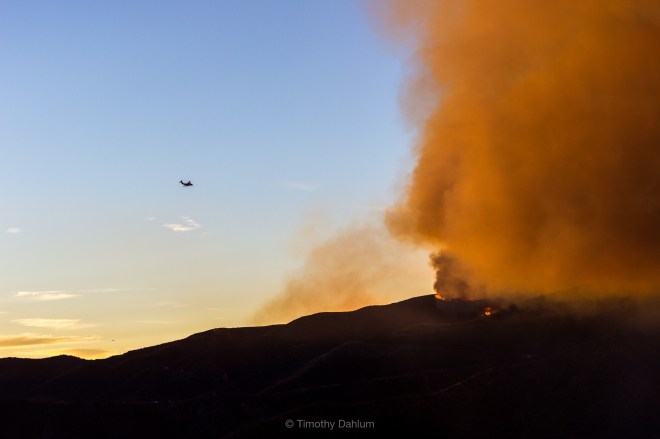
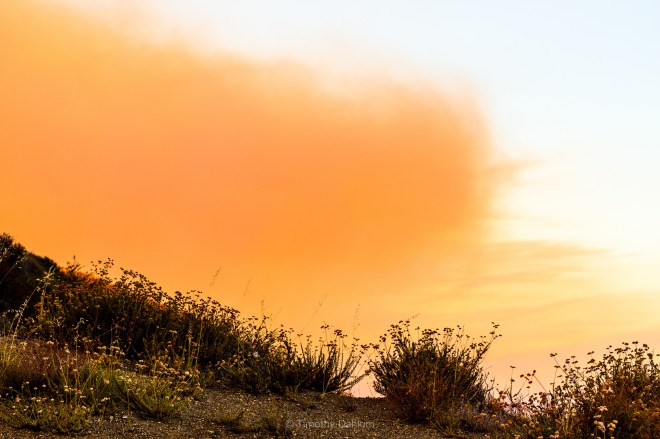
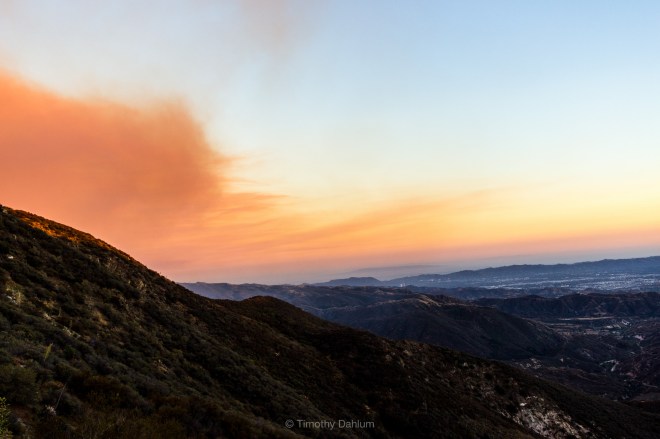
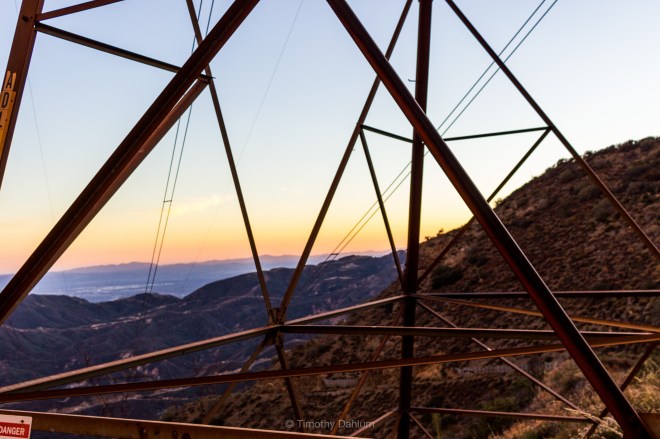
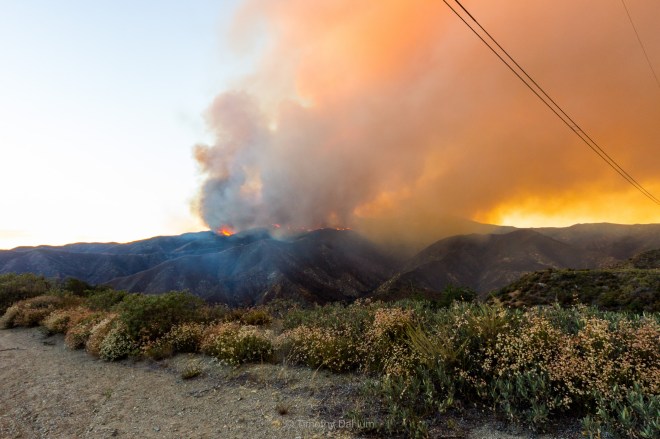
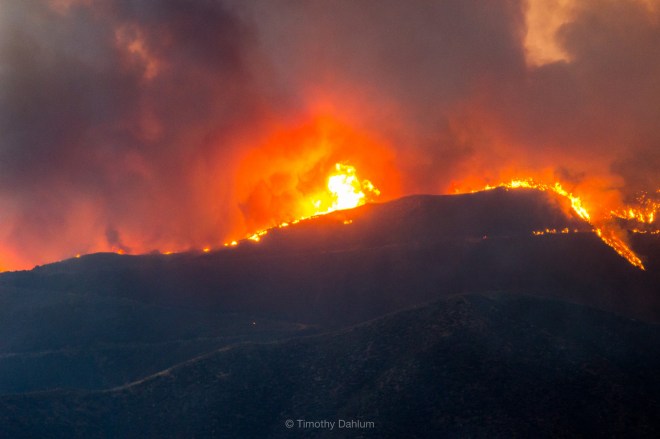
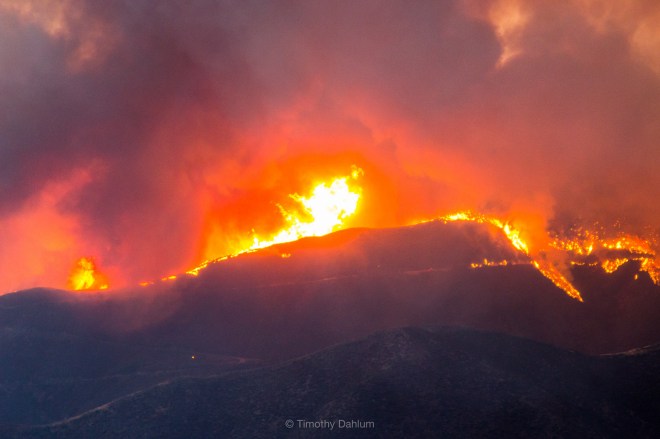
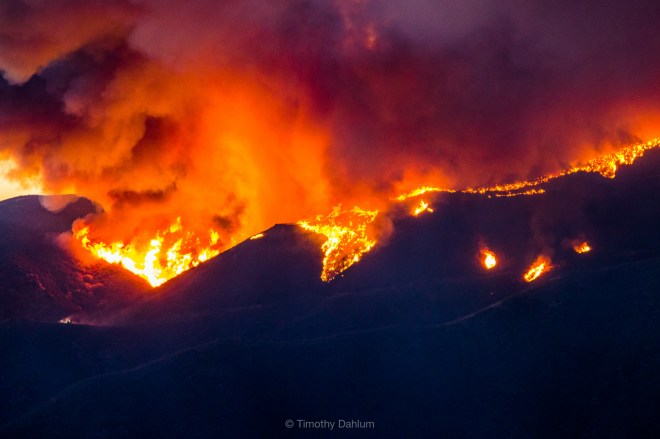
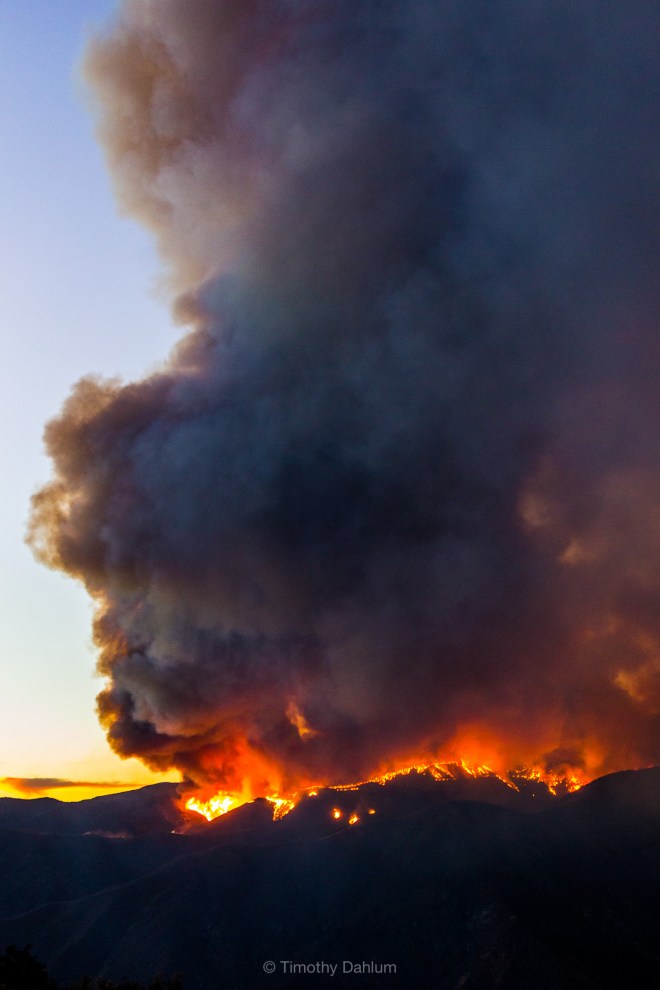
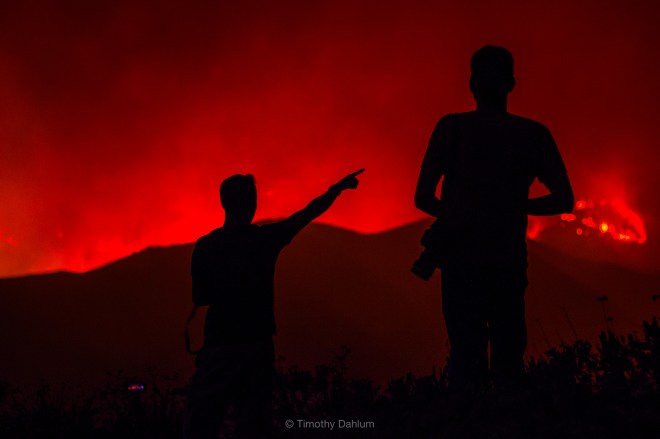
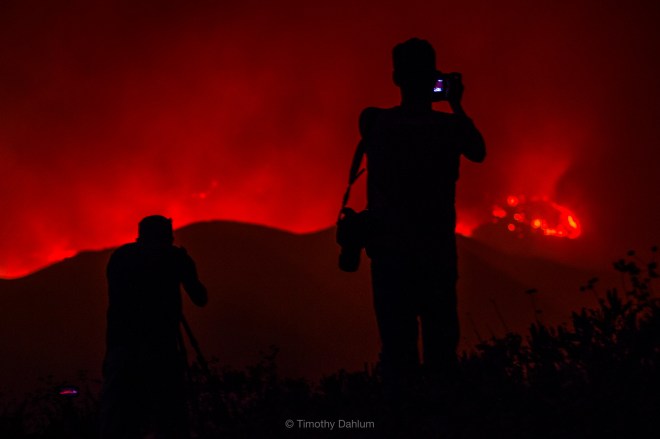
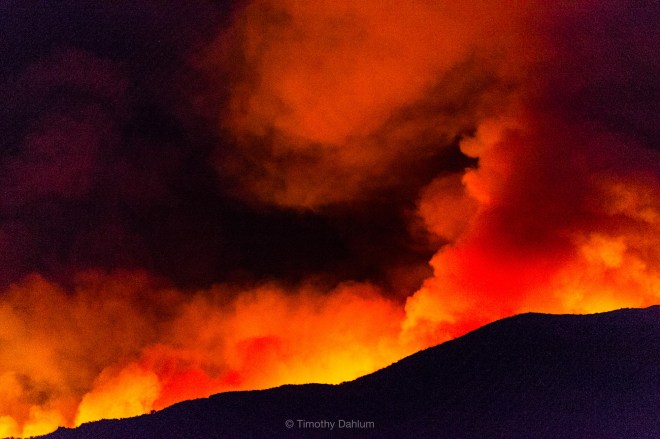
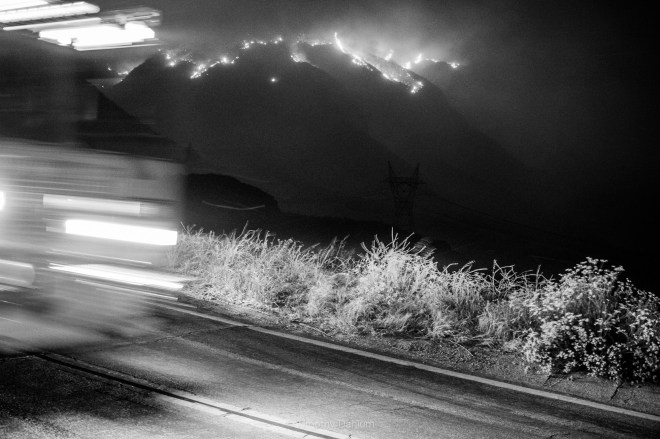
Here are some of the photos I took last night from a ridge just off of Little Tujunga Canyon Road in the Angeles National Forest. My husband and I picked up another photographer who stopped part of the way up Burma Road due to the poor driving conditions of the road surface and visibility of the road due to brush density. We left the ridge to head back to the safety of Little Tujunga Canyon Road, and saw our previous position consumed by flames and get hot enough to cut the electricity over the high power lines we had been standing under for more than an hour.


Obon & Bon Odori at the San Fernando Valley Hongwanji Buddhist Temple
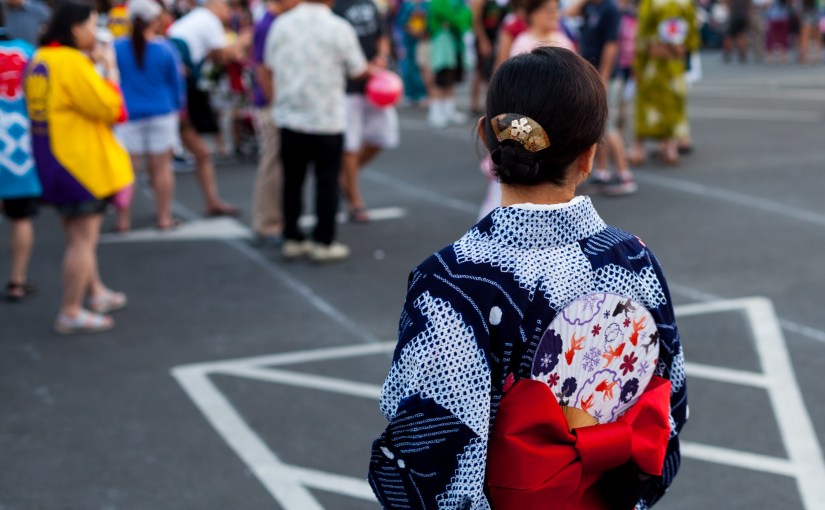
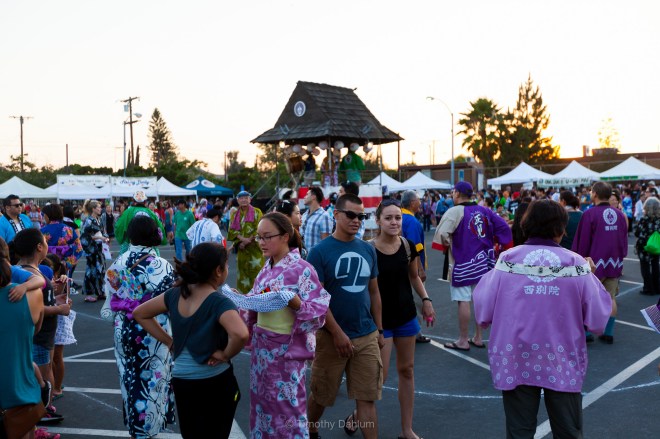
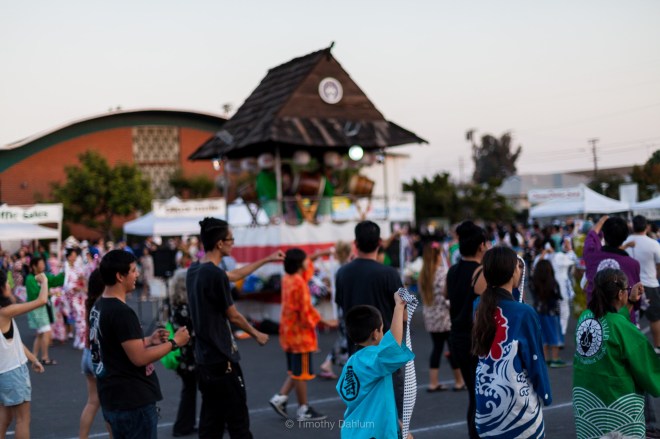
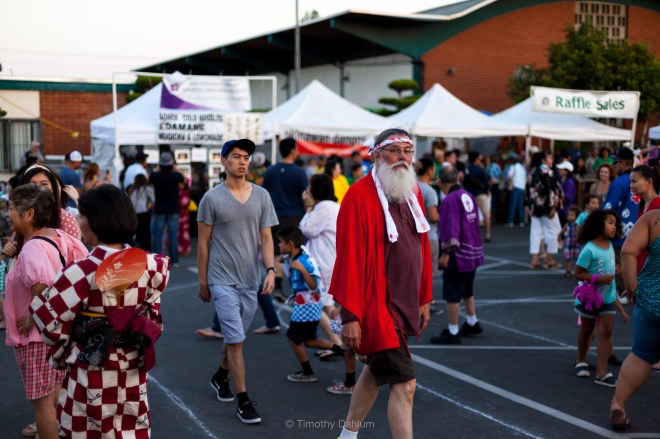
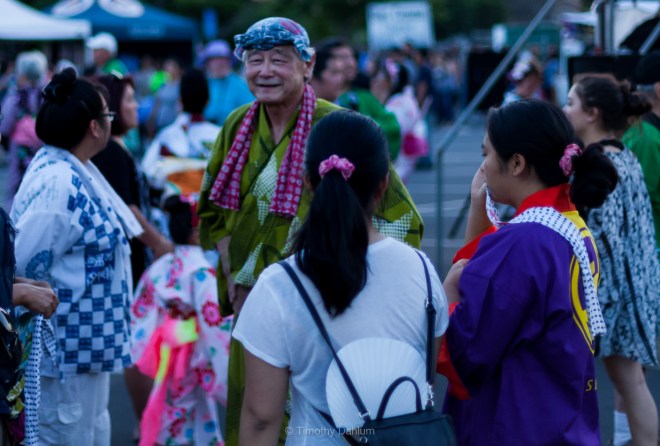
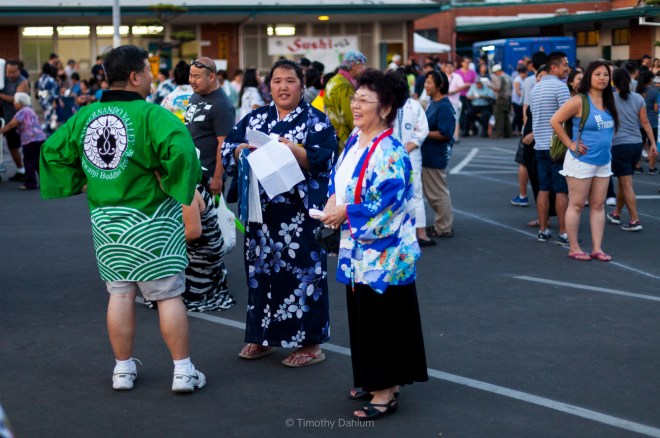
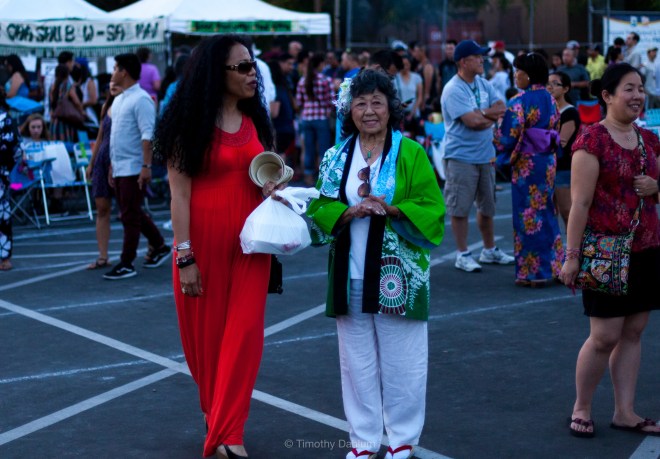
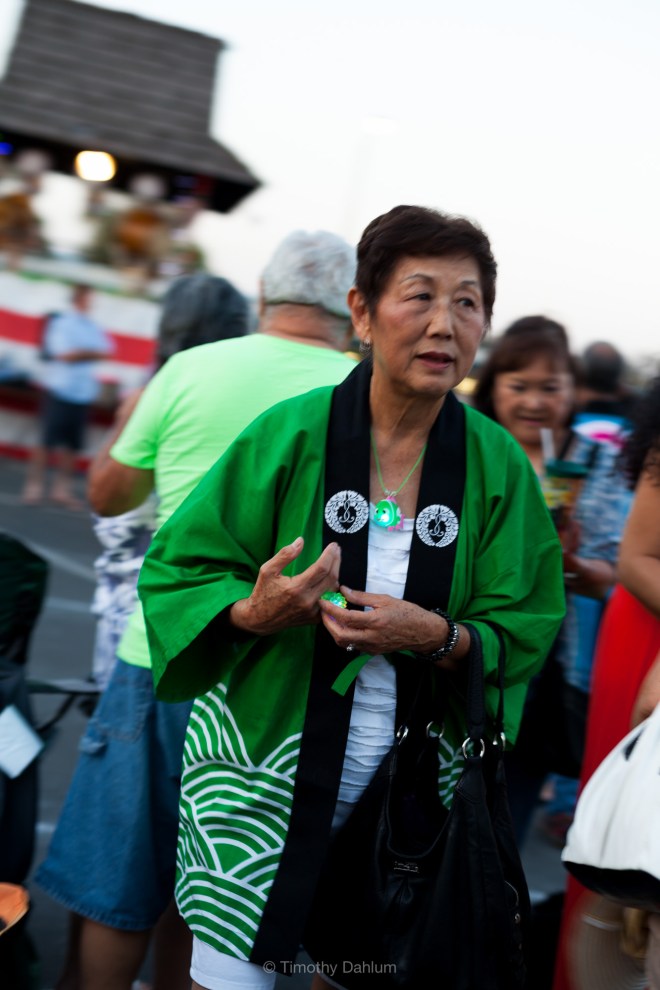
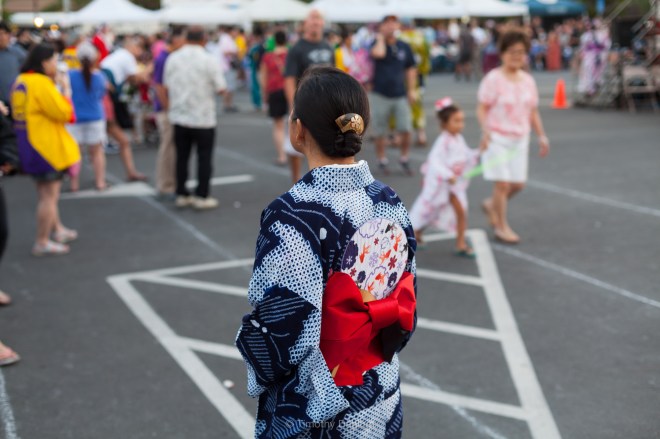
Yesterday I went to my first Obon in many years, and one of the first held in Los Angeles this year. At its core, an Obon festival is about celebrating ancestors through remembrance and appreciation. At its core Obon is dancing for and with great joy as a means and expression of the desire to alleviate suffering. The dancing happens around a central raised platform, yagura, in a counterclockwise direction, with music provided by taiko drummers or other musicians. With this being a summer festival, there are plenty of yukata, happi coats, and lightweight kimono in bright and beautiful colors and patterns to be seen.


Songkran 2016, Wat Thai, North Hollywood, CA
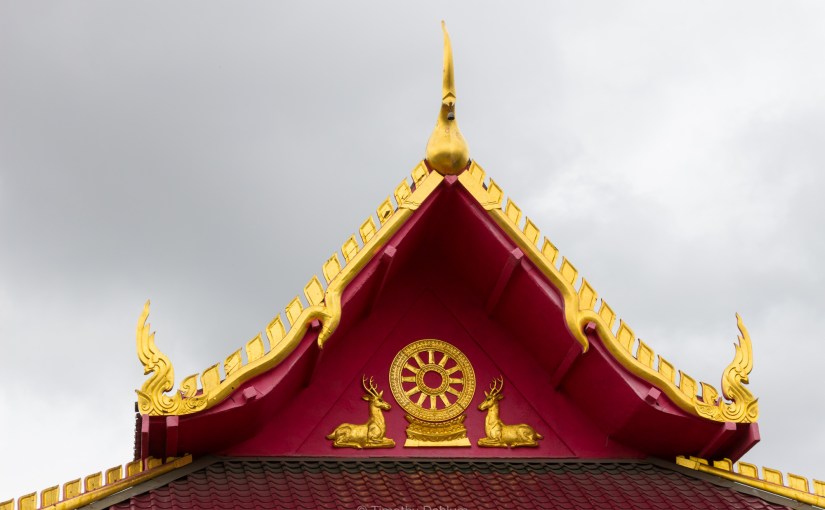
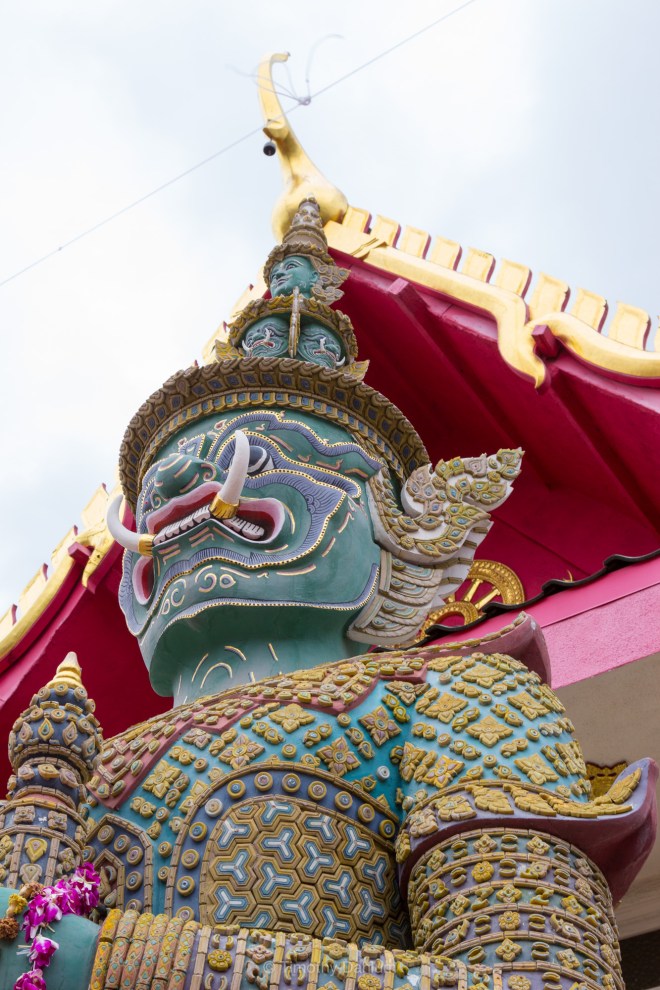
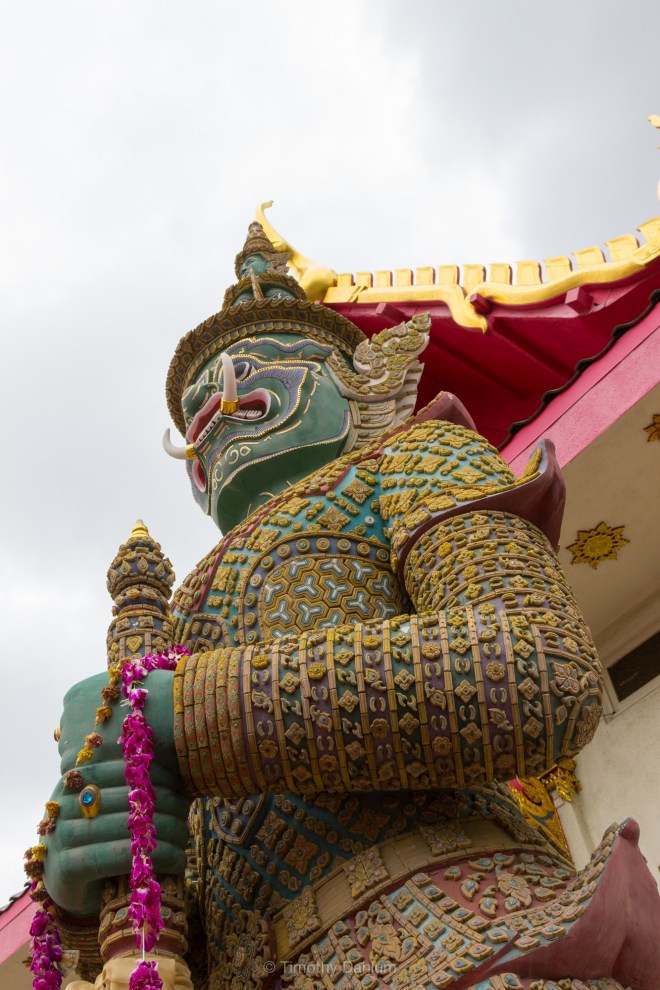
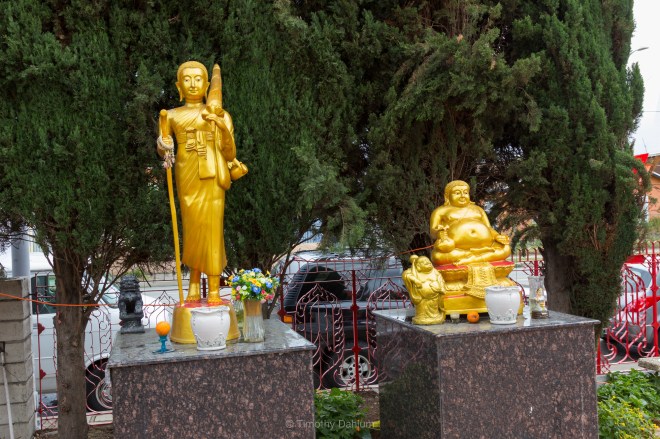
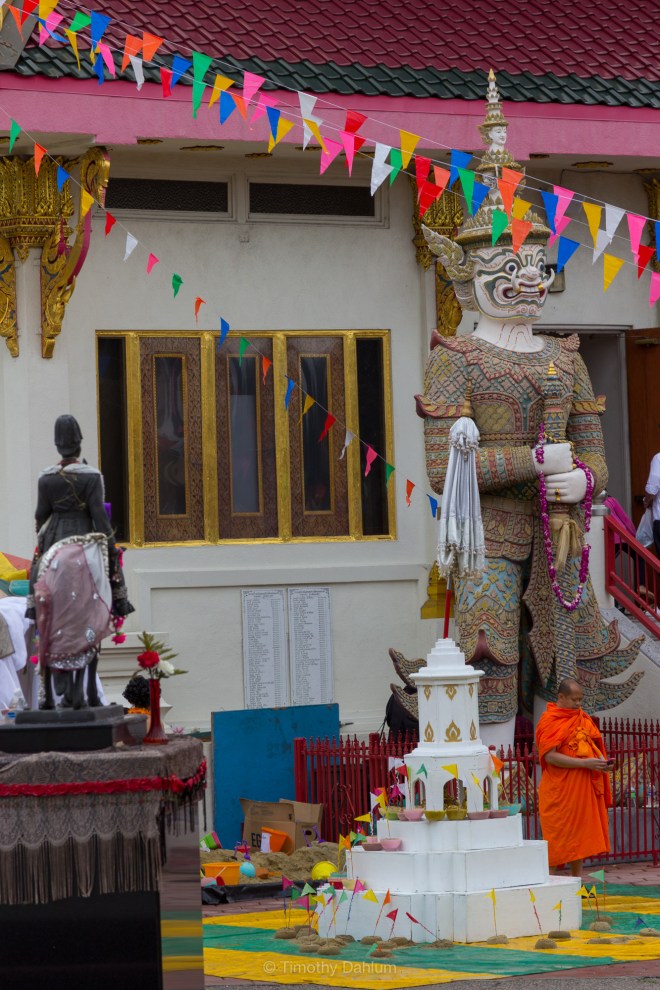
My visit to Wat Thai was hampered by the cold rain and wind we were experiencing that weekend, the rain was fitting with one of the themes of water as cleansing and blessing for Songkran, but not the cold. Songkran is the Thai New Year, and in Thailand it has become a reason to have a raucous water fight in the streets, including elephants that hose down the festival goers. That wasn’t going to happen in North Hollywood, but there were some beautiful performances, albeit in a cramped little hall instead of on the large outdoor stage that was set up and unused due to the bad weather. All of my photos from the day were taken outdoors in between periods of rain. The temple grounds were bought in 1970 and the temple consecrated and its doors opened to the community in 1972 and has seen its membership grow with Los Angeles.


Visiting El Alisal, The Lummis House
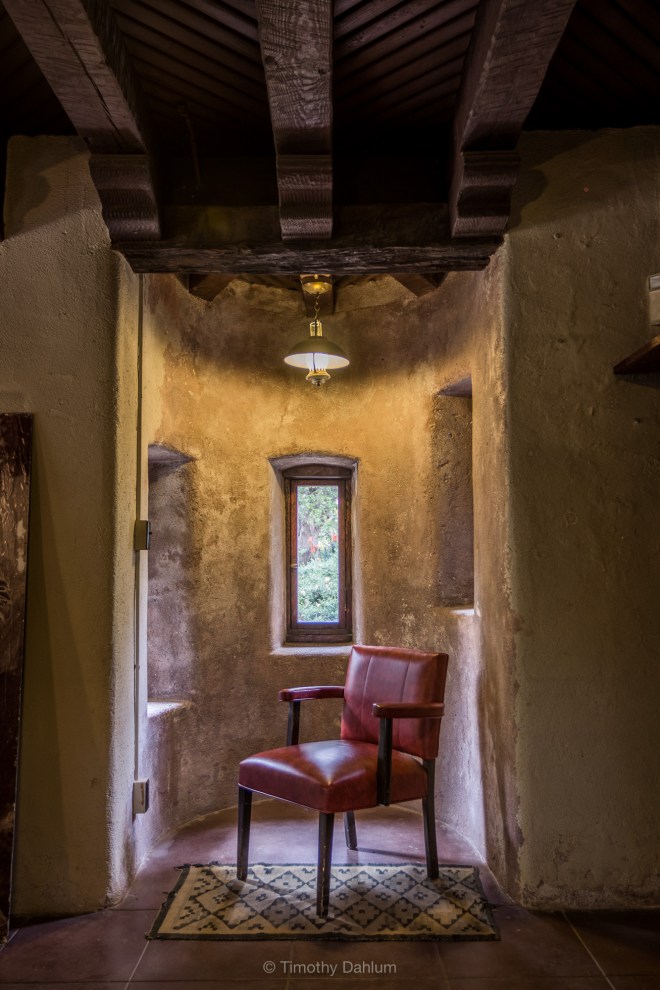
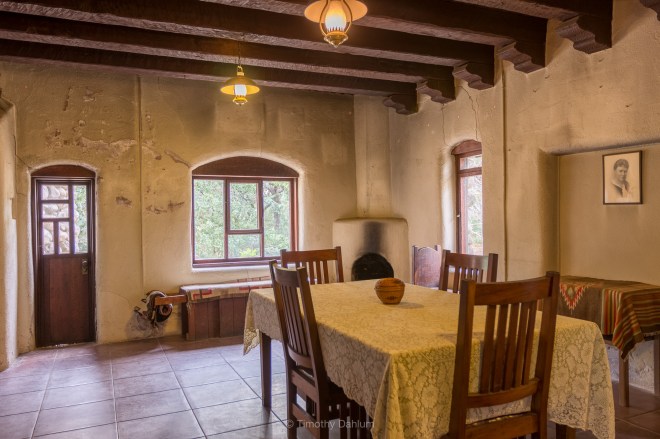
I recently visited the Lummis House and brought a tripod so I could take some bracketed exposures to create HDR composite images using natural light in the interior. While much of the original contents of the house are gone, the current caretakers have tried to make the interior space have the familiar feel of walking into someone’s house without having to cordon off everything to the public. There is a sense of being in a living house with a table set for meals, a reading nook with a chair that looks inviting, and a piano with sheet music.
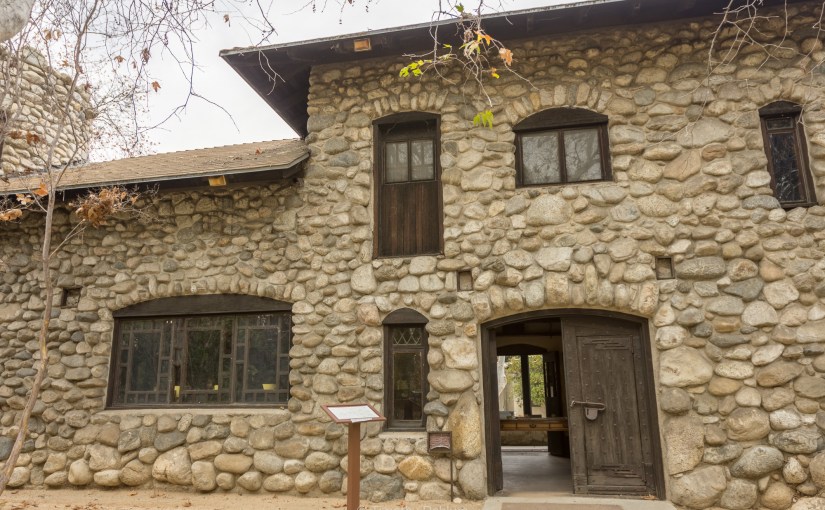
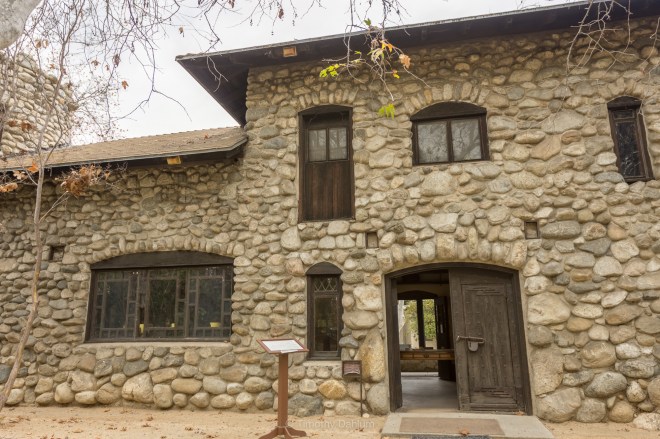
Charles Lummis built his house along the banks of the Arroyo Seco just north of downtown Los Angeles over a hundred years ago. The exterior walls are all made of rounded river stones from the nearby Arroyo Seco which adds the the rustic beauty of the American Craftsman design of the house. The remaining parcel of land the house is on has a portion of the sycamore tree grove that gave the house its name, El Alisal, for the trees it was built amongst.
The Lummis House is in Northeast Los Angeles along the Arroyo Seco river wash in the Mt. Washington and Highland Park neighborhoods. The Southwest Museum of the American Indian that Charles Lummis built is also nearby and easily reached from the 110 freeway and Metro Gold Line (there is a Southwest Museum station).