Some tags that were nailed to the trees at our local arboretum have become subsumed by the fastest growers. This could be an entire series from botanical gardens around the world.

Some tags that were nailed to the trees at our local arboretum have become subsumed by the fastest growers. This could be an entire series from botanical gardens around the world.
In October we had a chance to disappear for a bit more than a week and I was using a new 6×6 film camera system, so decided to work it through its paces with Portra 160, Fomapan 100, and some HP5 for low light situations.
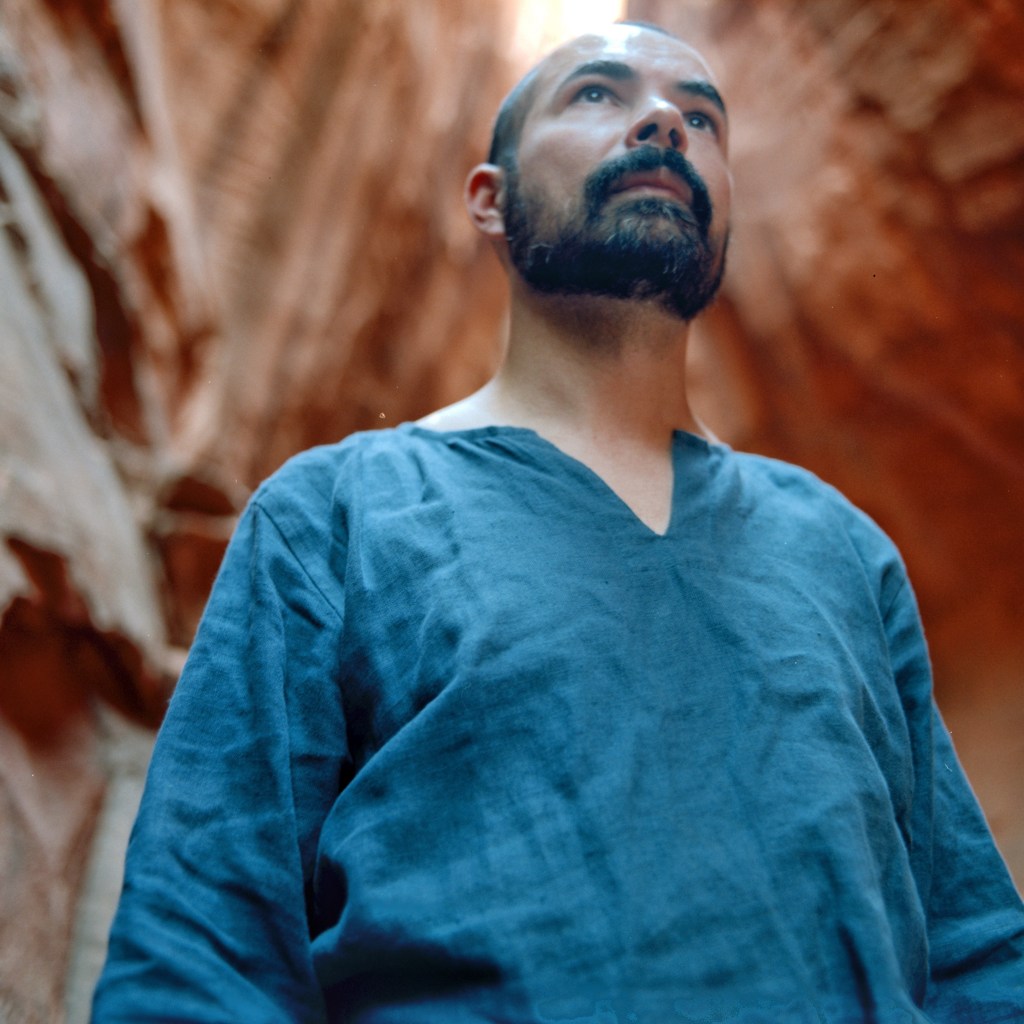
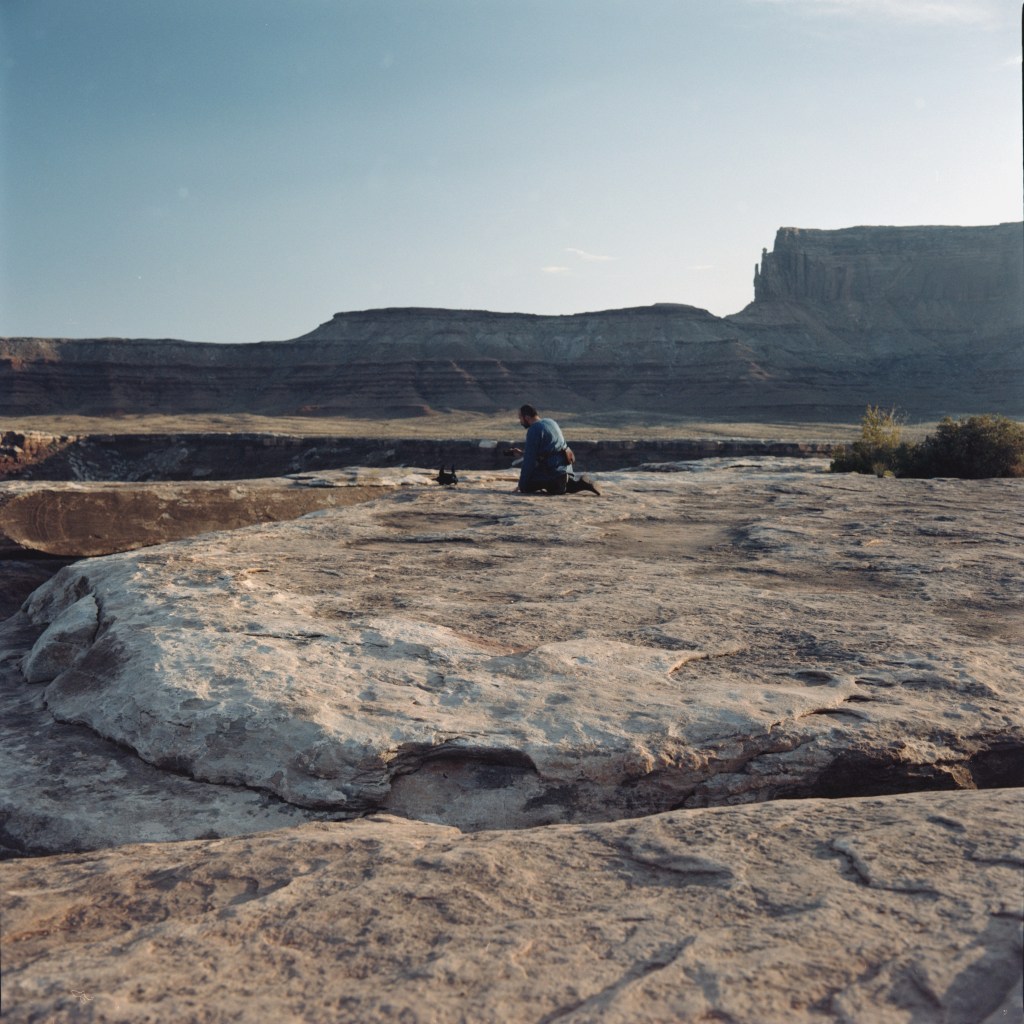
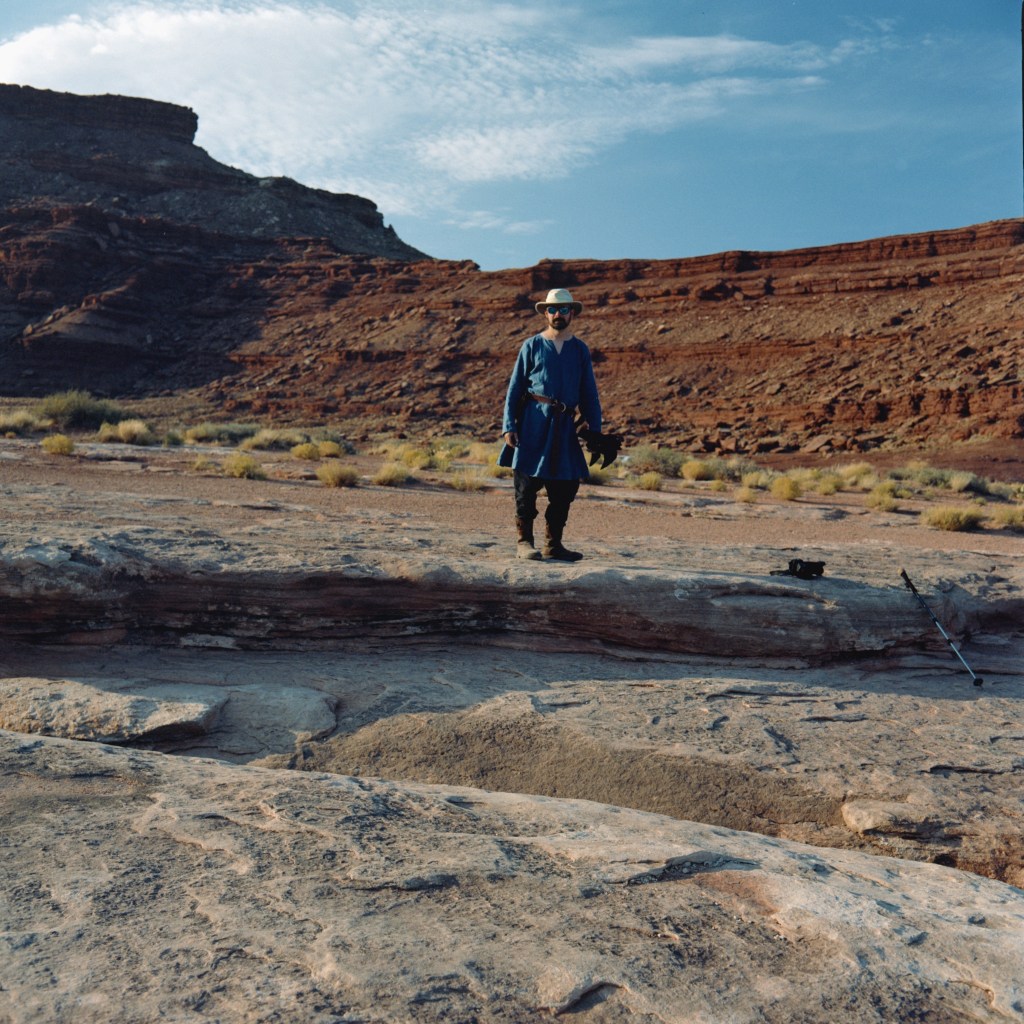
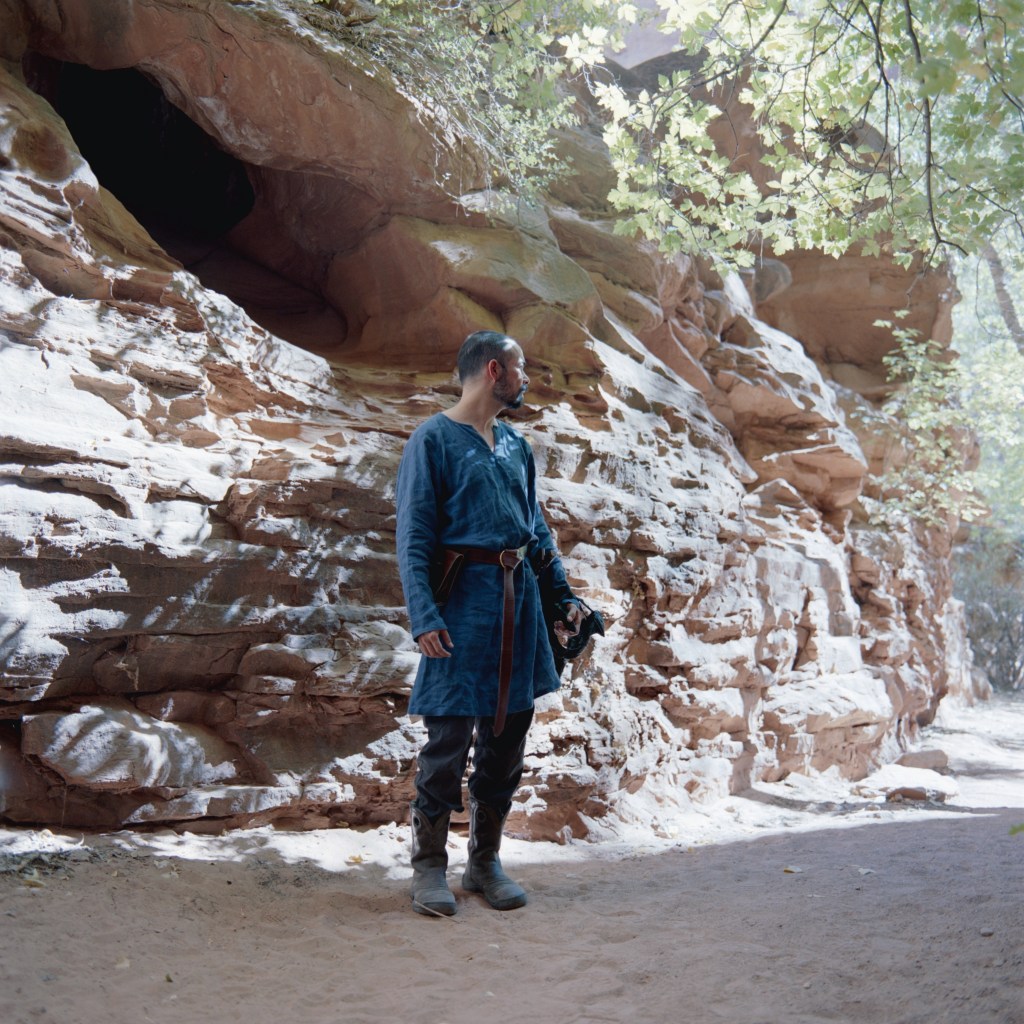
Here are a few of the results on Portra 160 of Joaquin in various states of partial cos-play, shot outside of the digital work he needed for his books. After processing the film, I scan it using a down-shooter setup at home. Once I got used the the focal lengths of the lenses and composing with the view screen with progressive bifocals (a sometimes infuriating process) it makes me think about compositions more before I look through the view screen.

With our deep alteration of the Owens Valley in the pursuit of water the starkest visual experience is Owens Lake. After the water was diverted it has been drying out to the point of being a salt flat at times, but when there are puddles of water left on the surface, the pools can have different colors depending on the saline levels and types. We tend to be drawn to the more unusual colors like orange, pink, and bloody red. These were taken from opposite sides of a raised road where the water gates had been closed to dry out one side first.


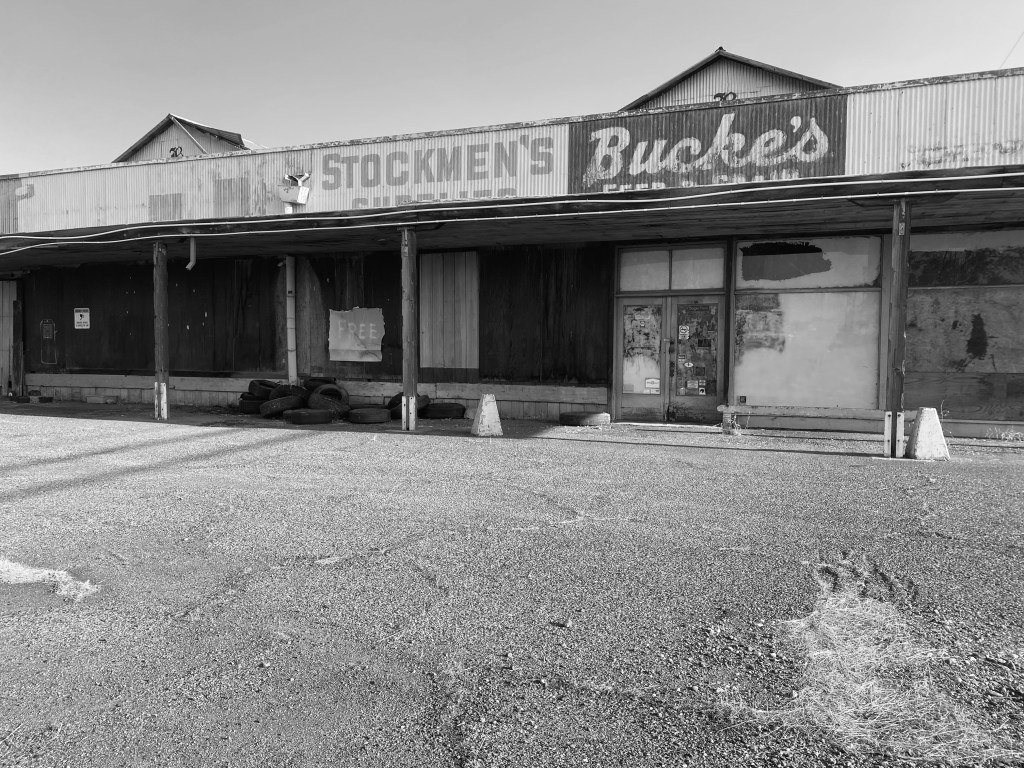
I recently spent some time working in Orland, California and got to know a few of the historic buildings and interesting visual landscapes. These are a couple I kept returning to at different times of the day looking at how the light placed with the textures and shadows.


The entire premise of our recent road trip around New Mexico, Arizona, Texas, and Oklahoma was to end up somewhere along the line of totality where we would get the least cloud cover and hopefully some good foreground elements since the sun would be nearly at zenith. With the ever changing forecasts, our original idea of southern Texas somewhere between Uvalde and Lost Maples was quickly dashed and we started scouting in a zigzag along maximum totality heading northeast every day. As the day approached we decided our best bet would be in southern Oklahoma around the Broken Lake area, and if on the morning of the event we saw it would be completely clouded over we would still be able to drive a few hours northeast to Arkansas which seemed to have the best chance to near zero cloud cover.
Here is the time-lapse video from a GoPro Hero4 Silver I set up at Broken Bow Lake at Sunrise Point in Oklahoma, USA. The footage is derived and trimmed from the 5995 still shots taken once a second before, during, and after totality. There is a lot of foreground so you can see the movement of people along the shoreline, the waves and boats on the water, and the clouds changing. There was a point before totality when I thought we would have too heavy of cloud cover to observe totality, but it all ended up working out in the end.
Video and Editing: Timothy Dahlum
Music: I Will Not Return, Alex Mason/The Minor Emotion, Soul Breaker Album, Free Music Archive, CC BY-NC
Creative Commons 4.0 License, BB NC Attribution-NonComercial License
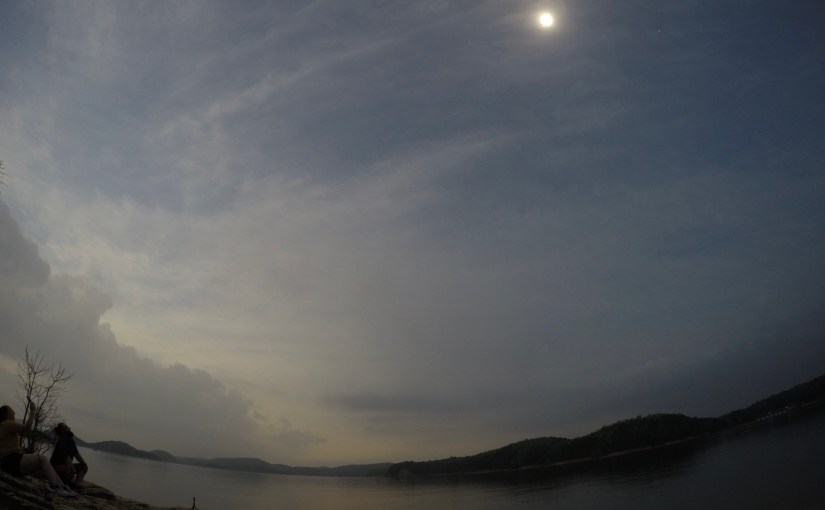
We started this trip with the idea of observing and photographing the eclipse from a nature preserve, or at least somewhere with a lot of birds. The weather patterns kept changing and where we thought we’d end up, far southern Texas near the Rio Grande, ended up changing throughout the week and we zigzagged our way north while scouting for prime spots. We ended up at Eclipse at Broken Bow Lake, Beavers Bend State Park, Oklahoma, and then thought we’d never see the sun during totality as thick clouds started obscuring the sun for a large portion of the morning. Luckily it all broke in time to watch more than an hour of the early stages of occlusion through totality and exiting occlusion.
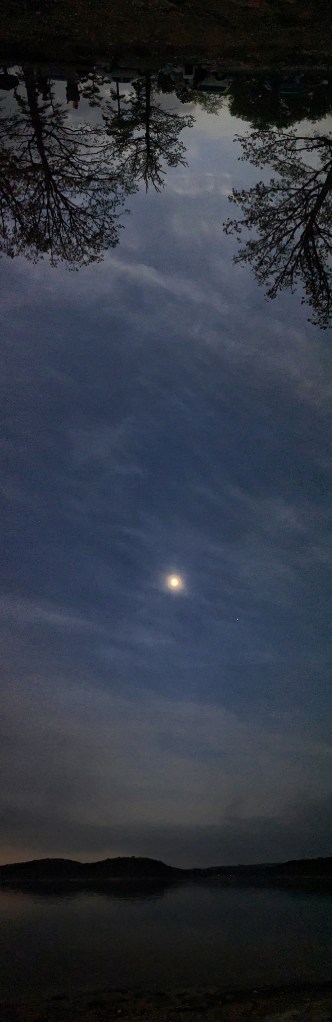
There’s a Timelapse on the GoPro waiting to have the thousands of stills edited in to a final video. But I also took several vertical panoramas on my iPhone, of which this was the best during totality.
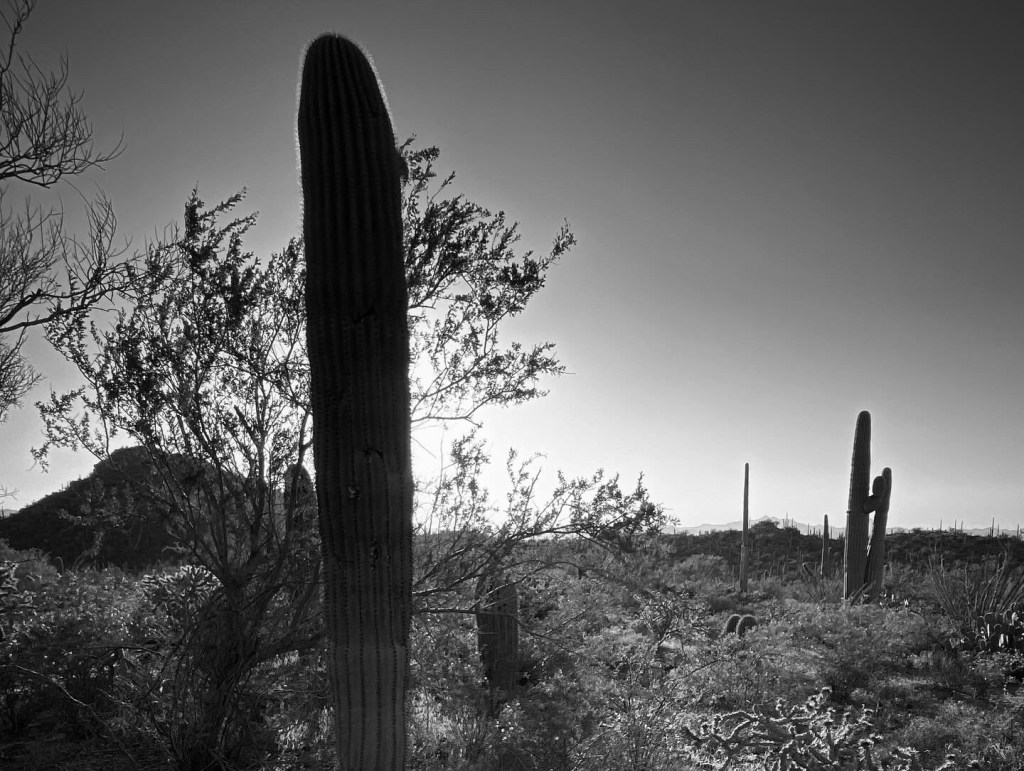
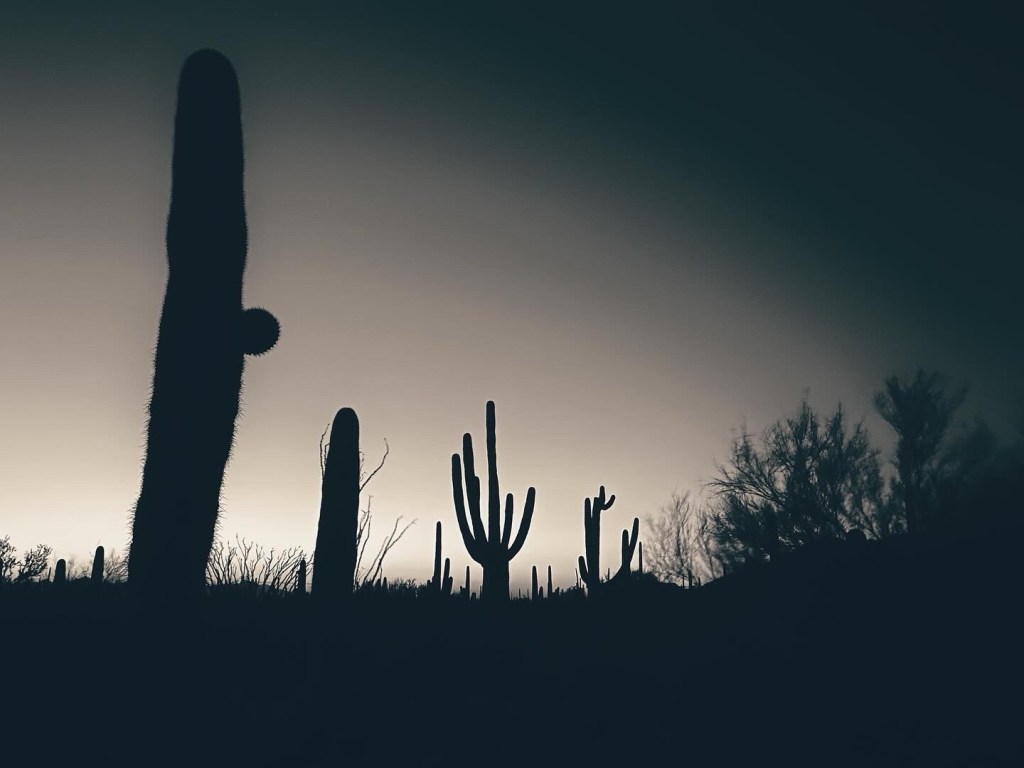
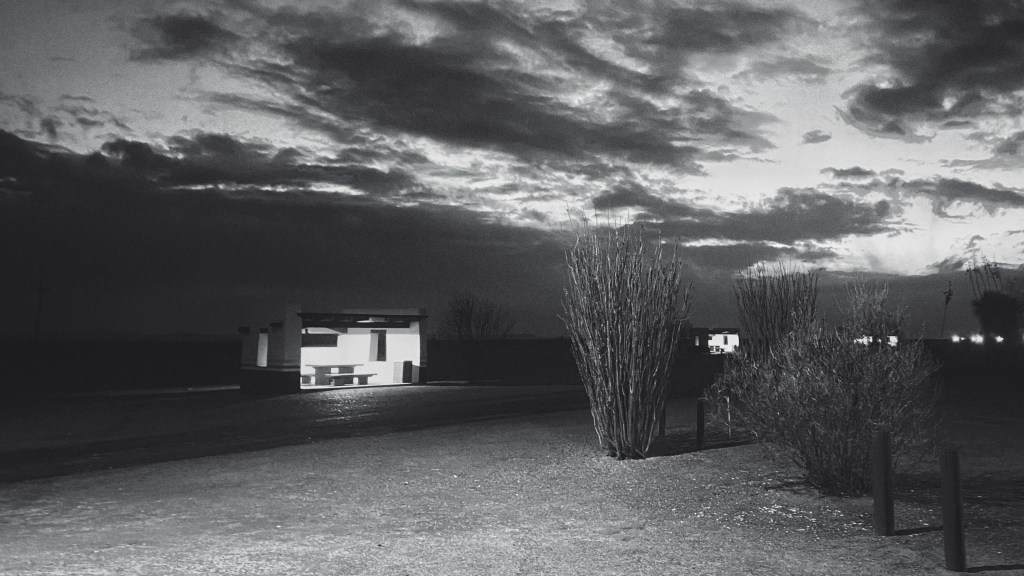
A few monochrome iPhone photos near sunset in Saguaro National Park. Working with two medium format cameras in black and white and color slide film as well, but those take time.
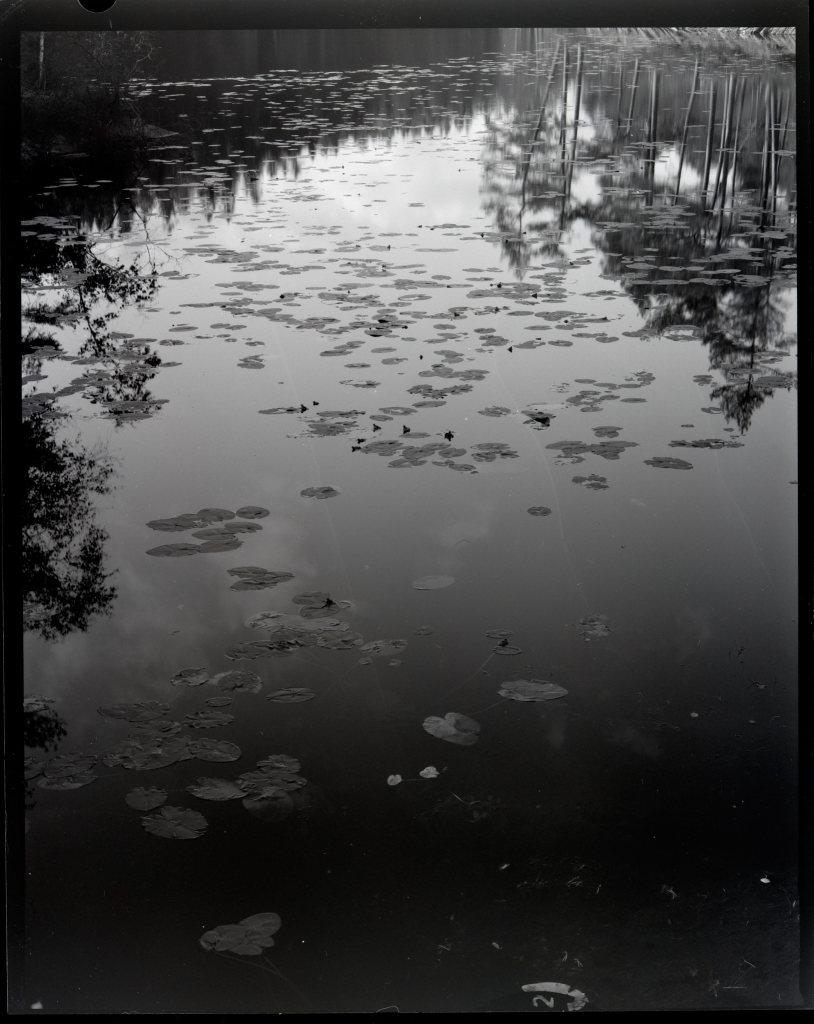
I’m in the process of revisiting old negatives, poring over some subjects and projects that ran one direction, and now seeing them with a fresh set of eyes after several years. This started with the idea of exploring several projects that never made it into a final state, book form, that I’d intended while photographing them. So, I’ve put together a set-up for scanning 4×5, 120, and 35mm film with a stable back light, as well as scanning already printed photos that are single prints that don’t exist anywhere else.
This photo is from a series of large format photos during a trip across part of Scandinavia. The large format camera came out whenever we would go for a walk and time allowed for the deep process involved with the format. Whenever there wasn’t enough time I used a 35mm camera for expedience, and that’s a whole other body of work.
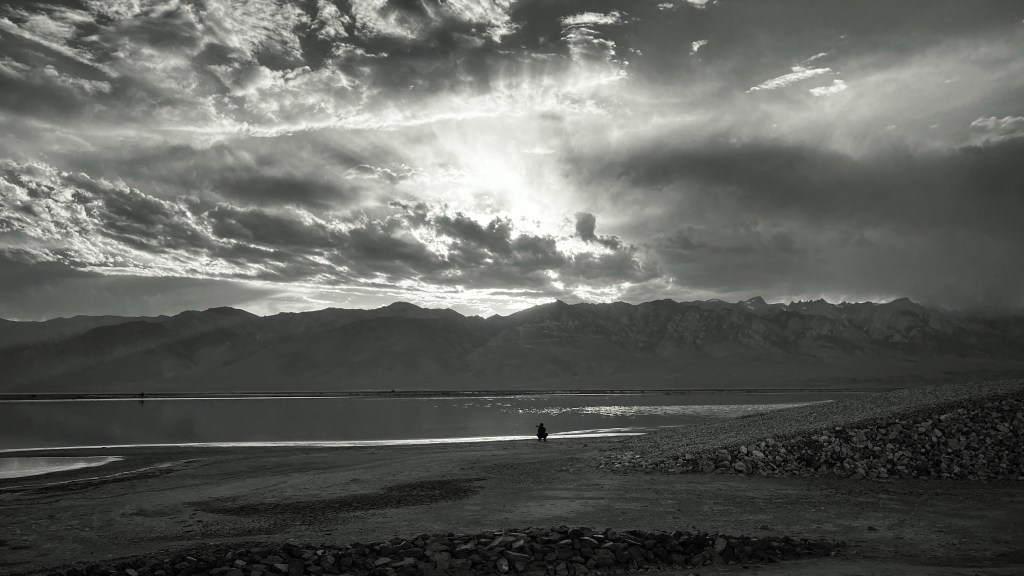
I recently took a weekend trip with my husband up Owens Valley and into the deciduous groves that were changing colors on the eastern side of the Sierra Nevada. As we passed by Owens Lake we were surprised to see water in it again, it has been depleted for decades, creating toxic dust storms from the dried alkaline deposits. Instead there was water, and flocks of birds. So we made a point of making time to stop on the way home and caught a sunset over the mountains with the temporarily renewed lake in the foreground.
 Timothy Dahlum