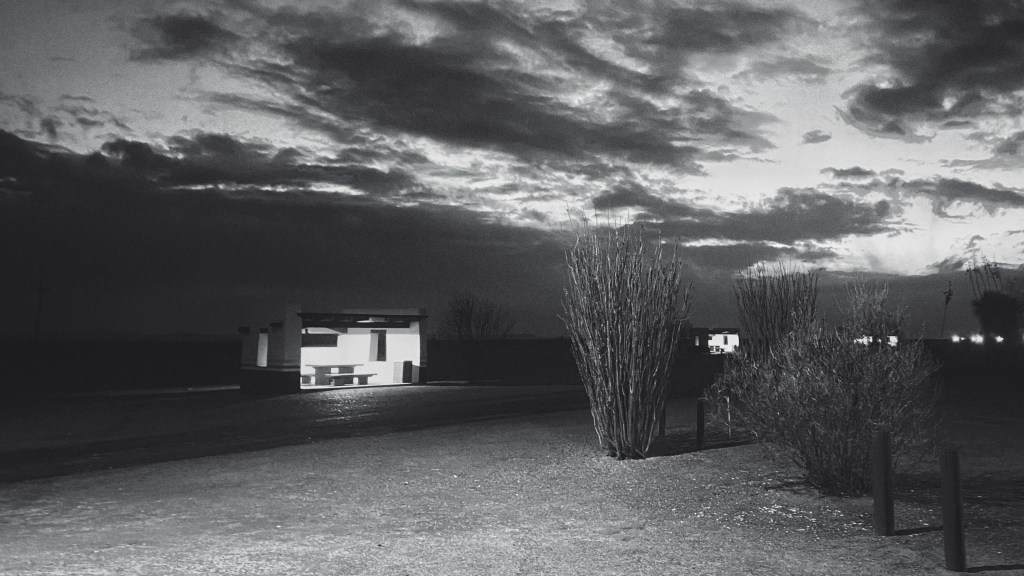
Roadside mini destinations, dinner with a view…
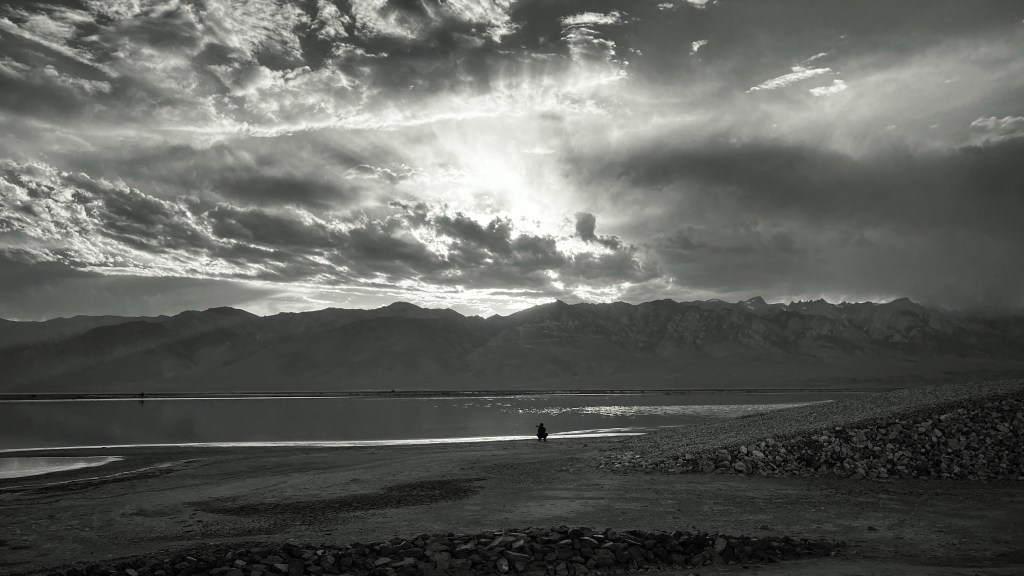
I recently took a weekend trip with my husband up Owens Valley and into the deciduous groves that were changing colors on the eastern side of the Sierra Nevada. As we passed by Owens Lake we were surprised to see water in it again, it has been depleted for decades, creating toxic dust storms from the dried alkaline deposits. Instead there was water, and flocks of birds. So we made a point of making time to stop on the way home and caught a sunset over the mountains with the temporarily renewed lake in the foreground.
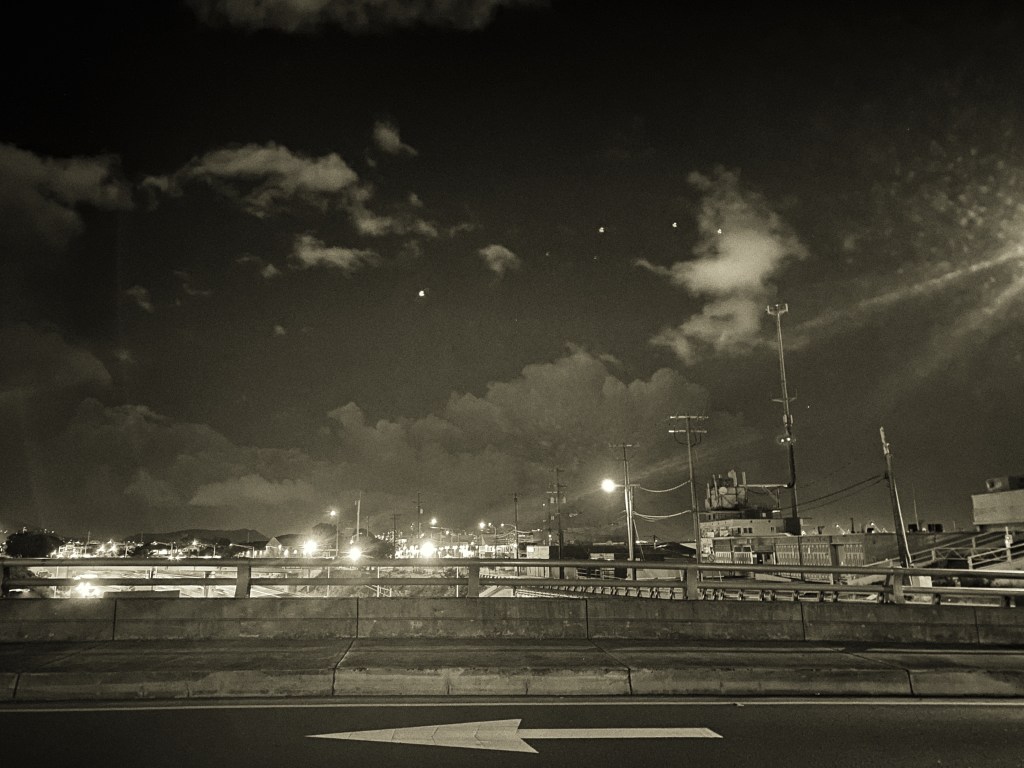
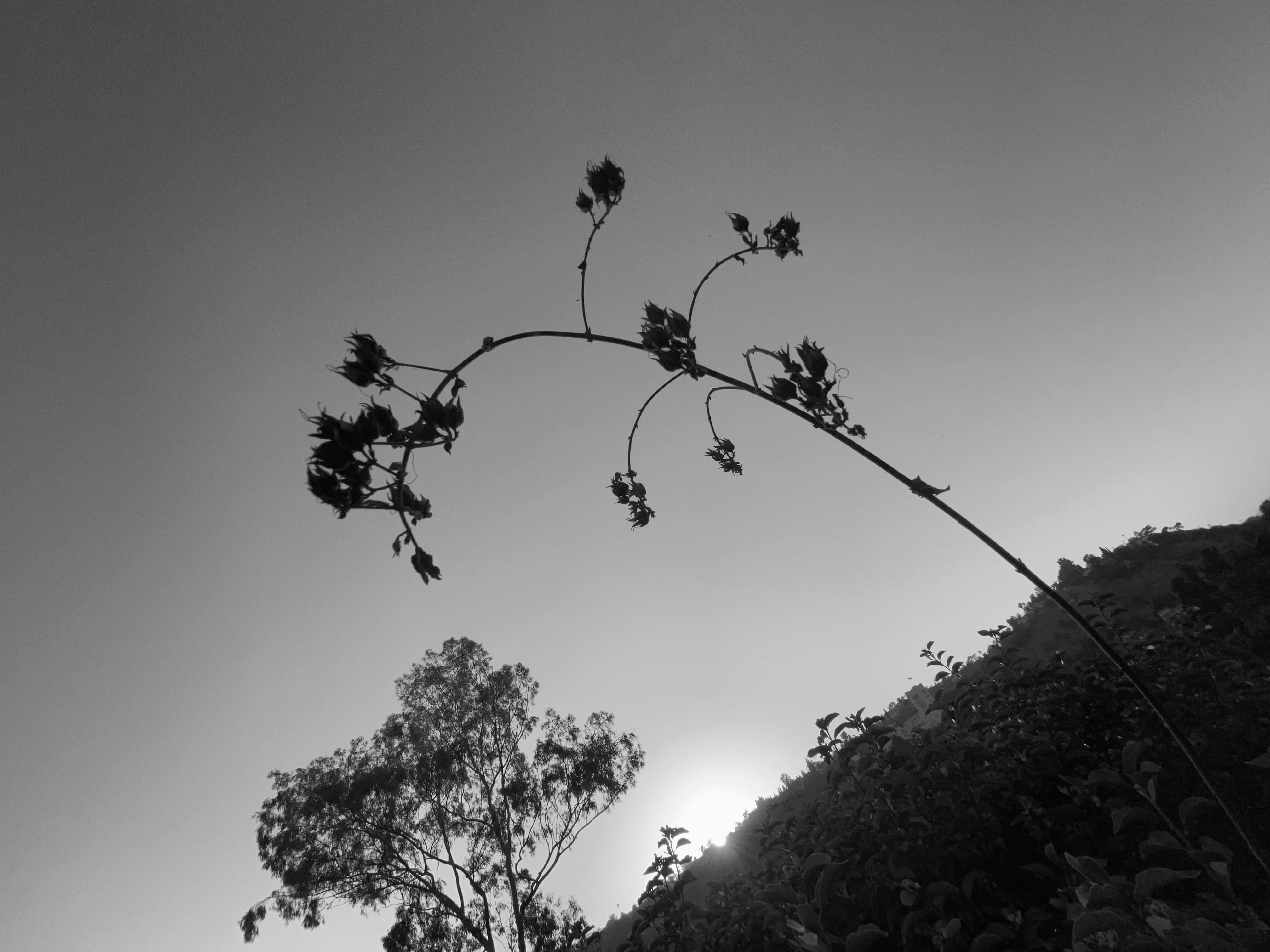
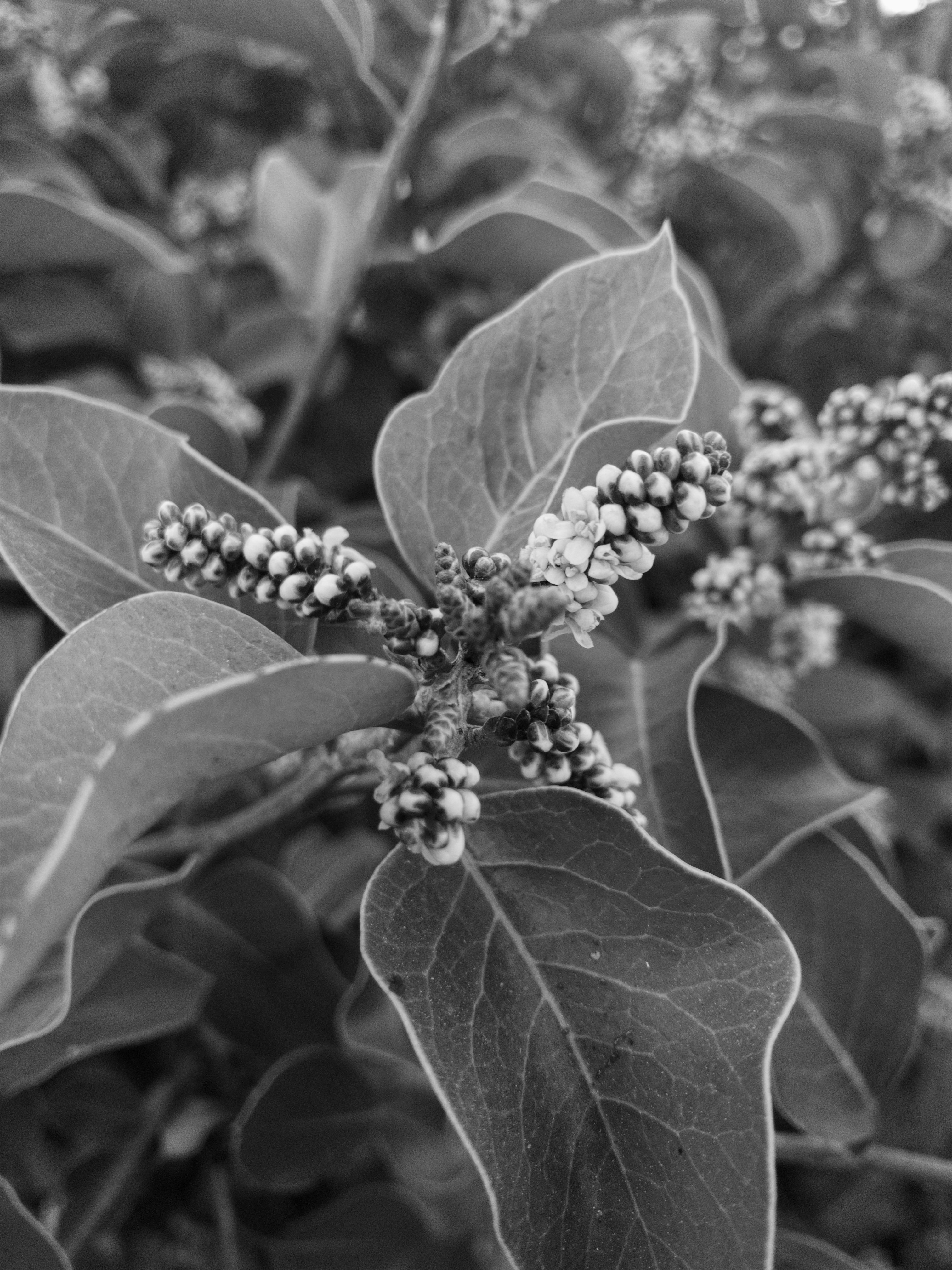
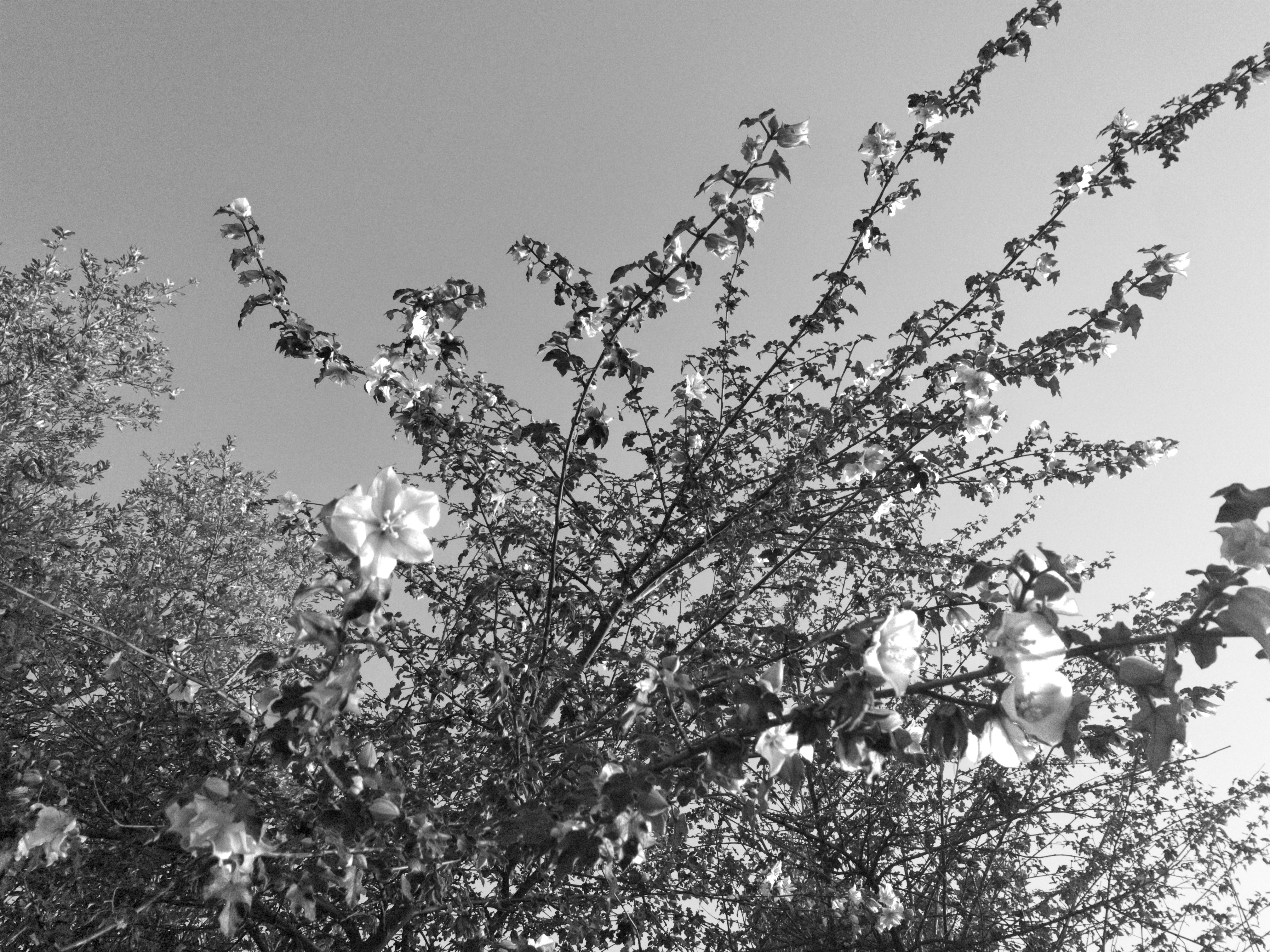
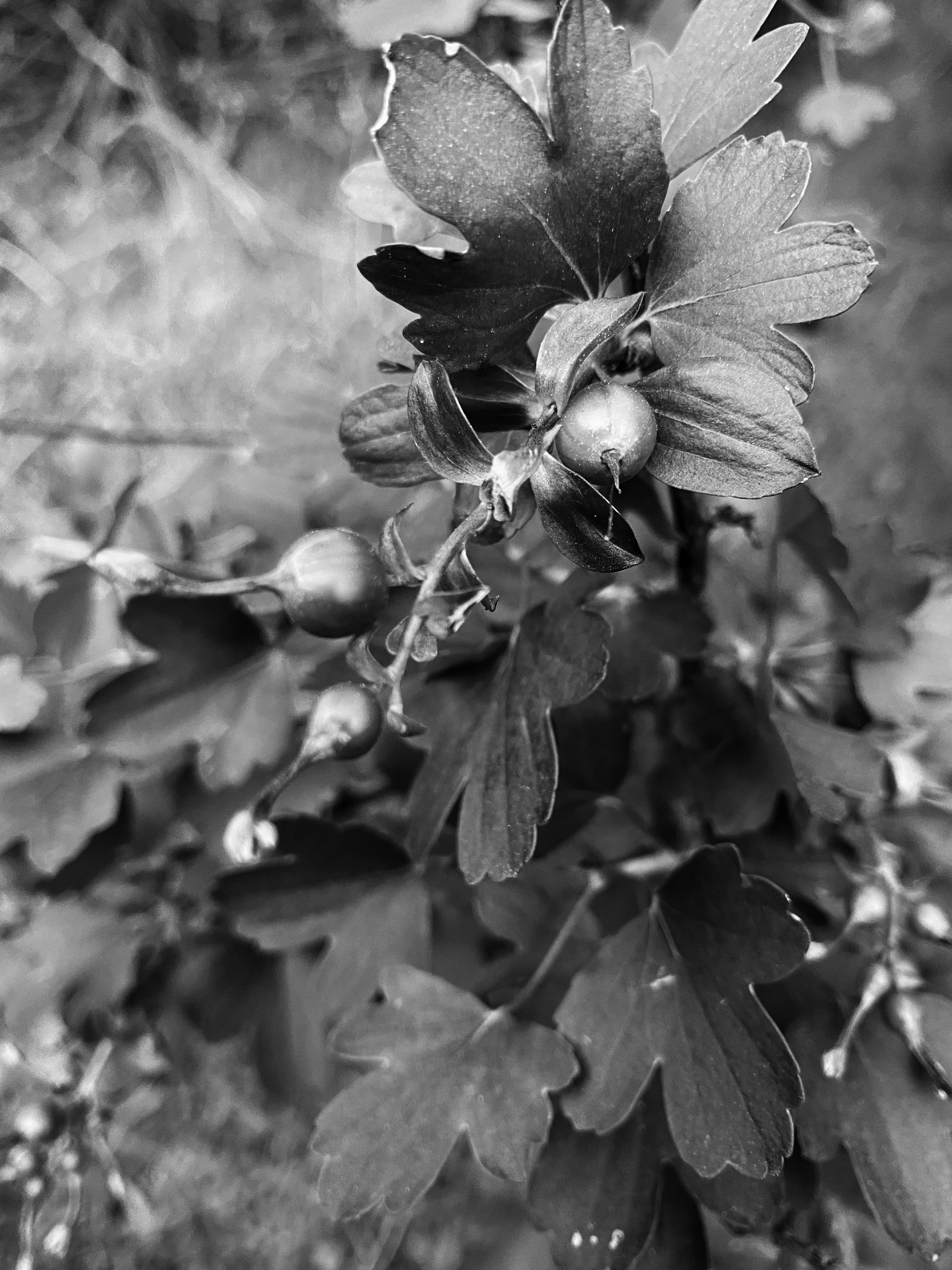
I recently returned from a month working on the humanitarian crisis left in the aftermath of the Lahaina Fire on Maui. When I’m working, and especially in this context, I’m not always in the frame of mind for interpretive photography, and definitely not in the way I’ve been working with black and white film for quite a few years now. But I always have my phone with me, and still pause every so often, sometimes in wonder, other times in puzzlement. All of the following were shot on my iPhone and edited with Snapseed on the same device.

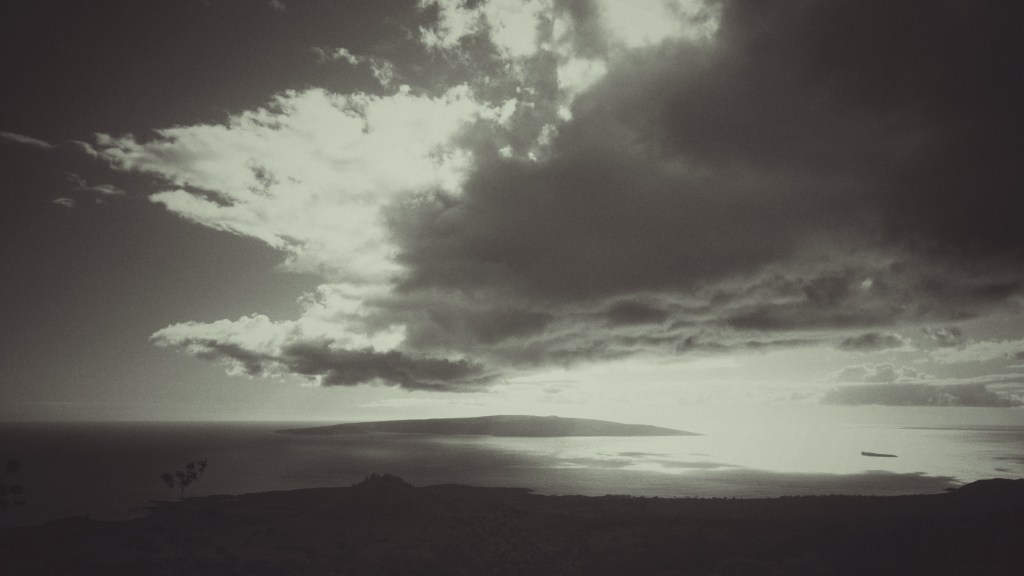


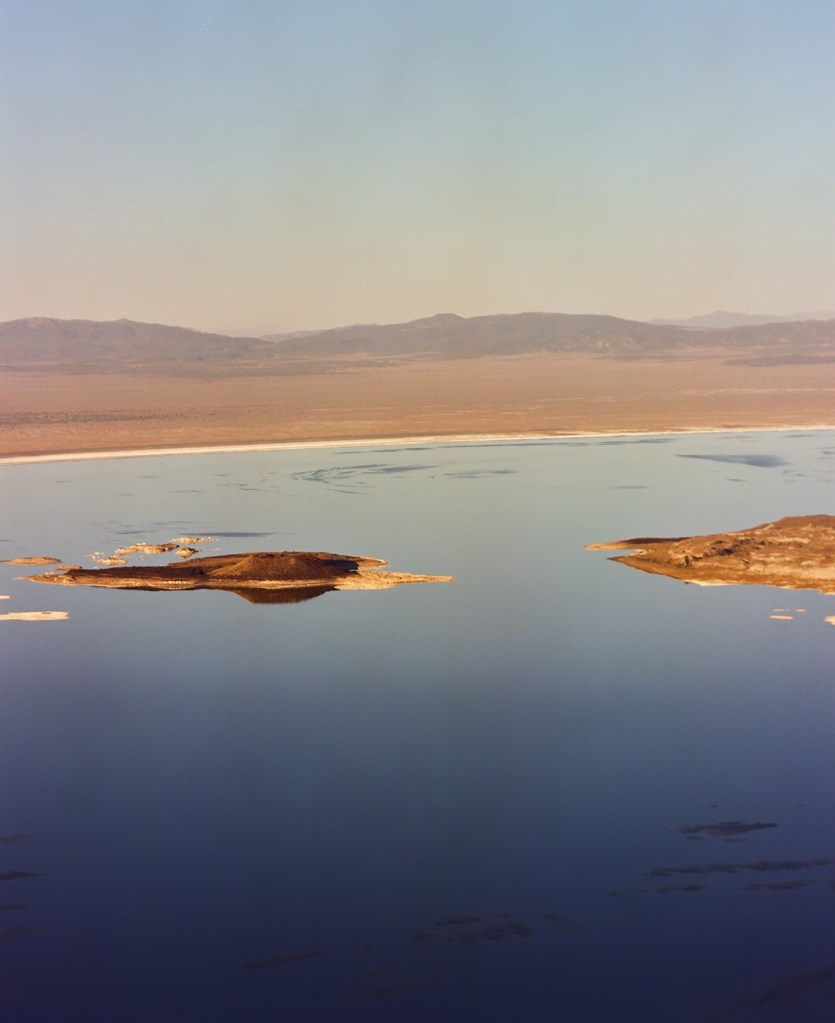
My camera or film holders are almost always loaded with black and white film, but I’ve been throwing a couple of rolls of color into my bags on recent trips to see if I can capture some of the fascinating color pallets. This was taken from the ridge-line road far above the town of Lee Vining and over the western shores of Mono Lake with its volcanic cinder cones, springs, tufa, and migratory birds. Sunsets can be overwhelming or subtle here, sometimes both.
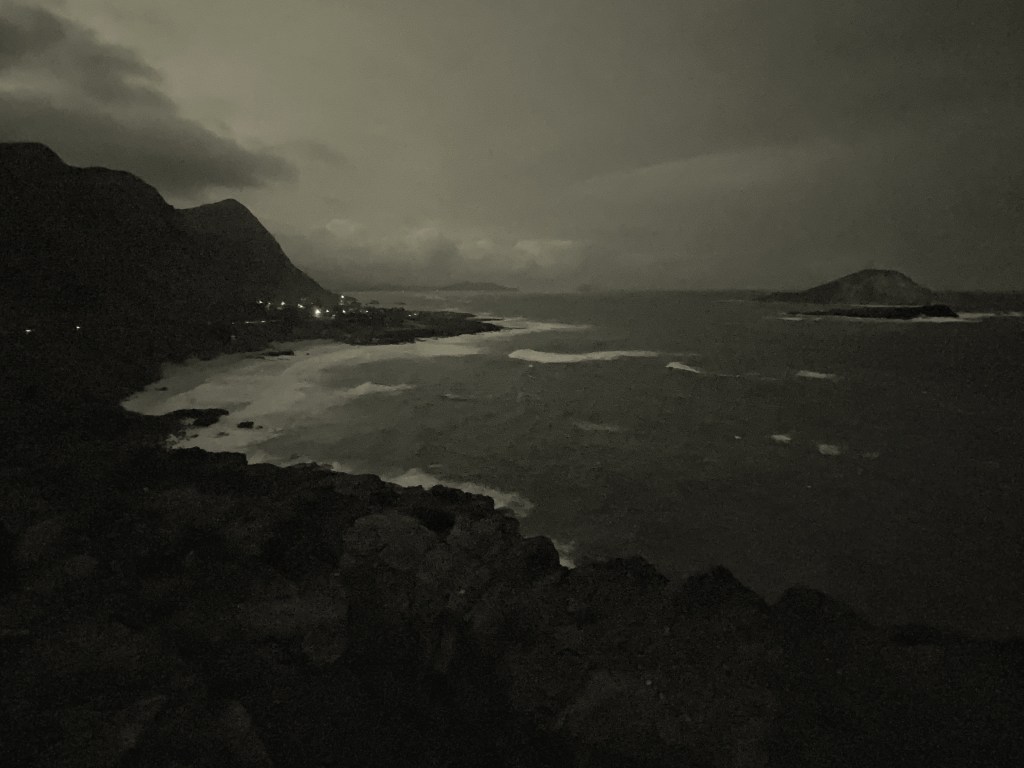
While I was on O’ahu for some work recently, I had the chance to explore more of the island beyond the standard tourist view of Honolulu. A couple were taken in or near Honolulu, but quite a few were during a short day trip to the north shore and around the eastern shore before heading back to Honolulu. All of these were photographed with my iPhone, but thinking about the composition in a film frame of mind, specifically a film-paper-developer-toning method I’m currently fond of, and regretting not taking a single camera and a few rolls with me.
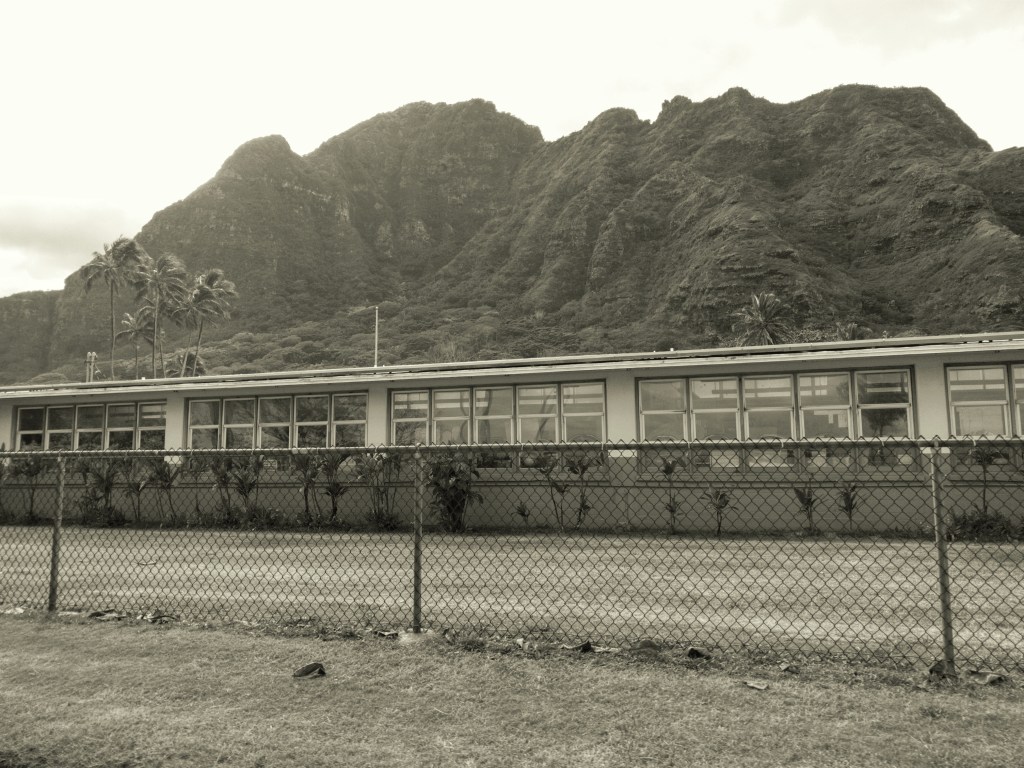
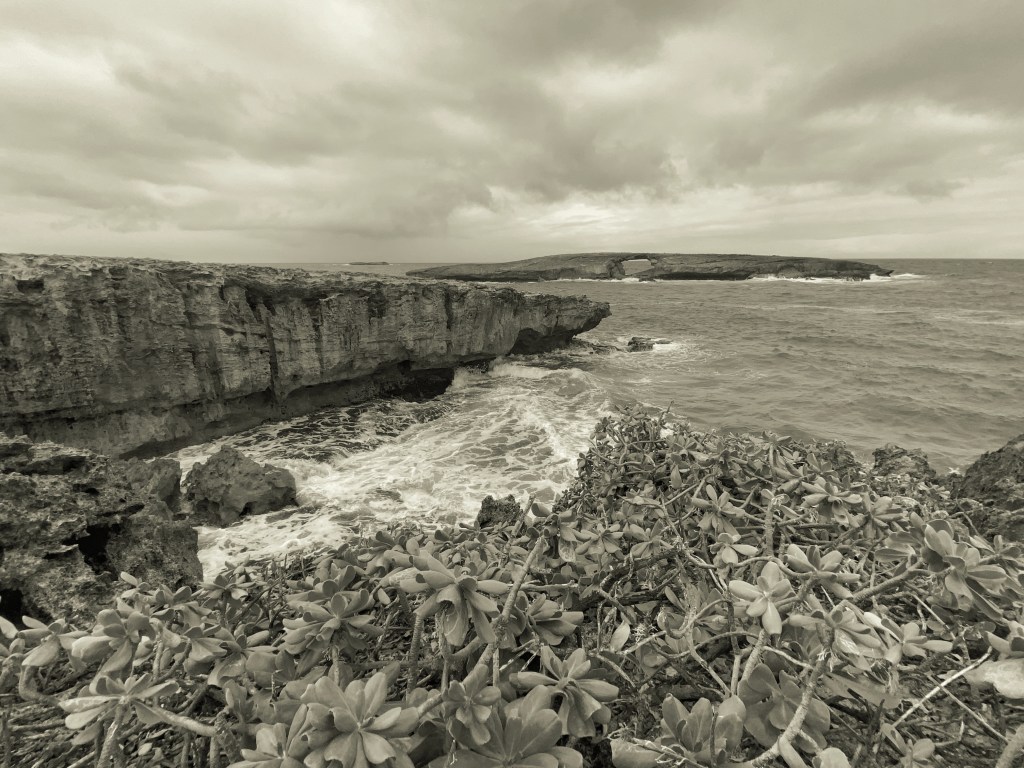
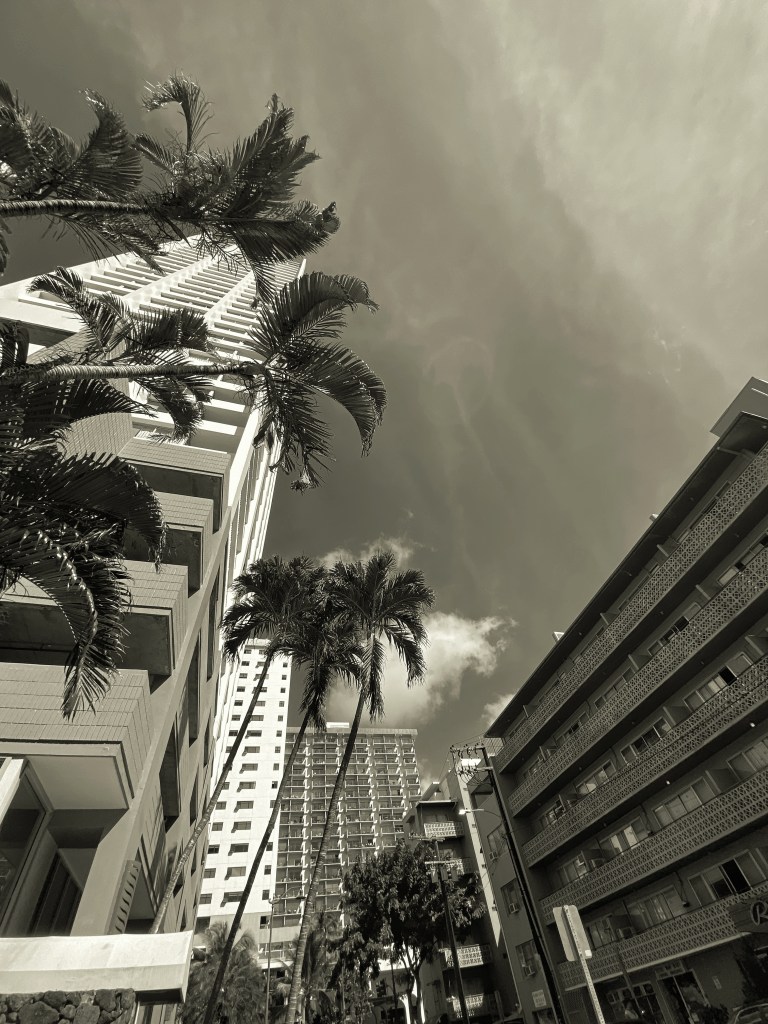
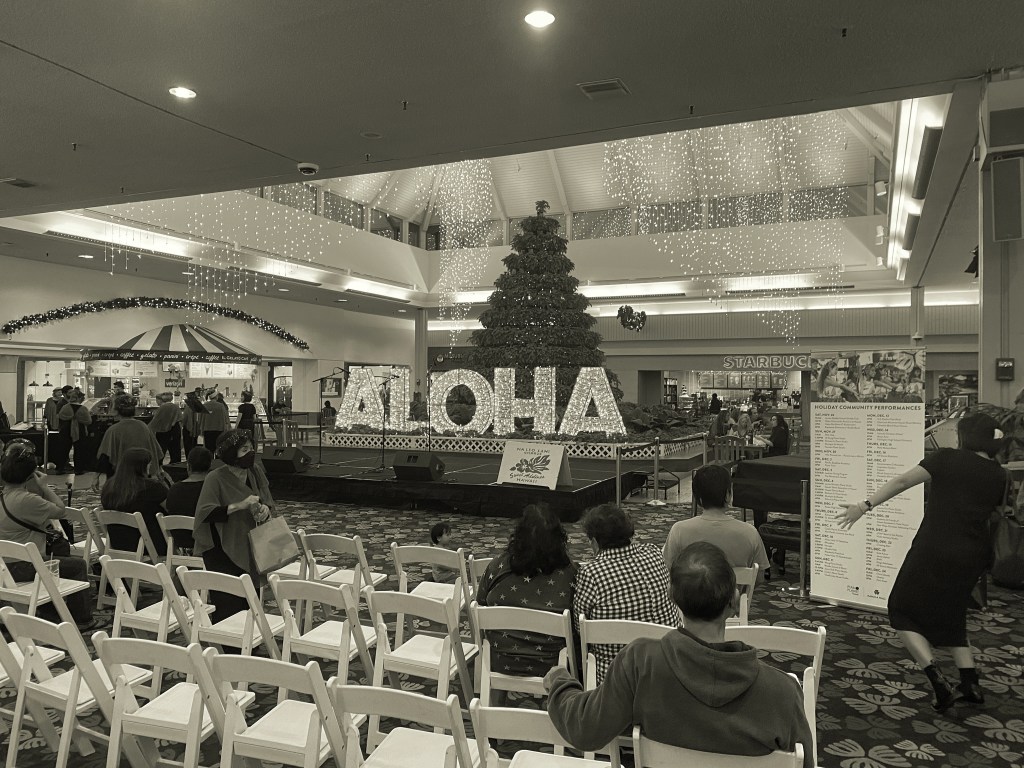
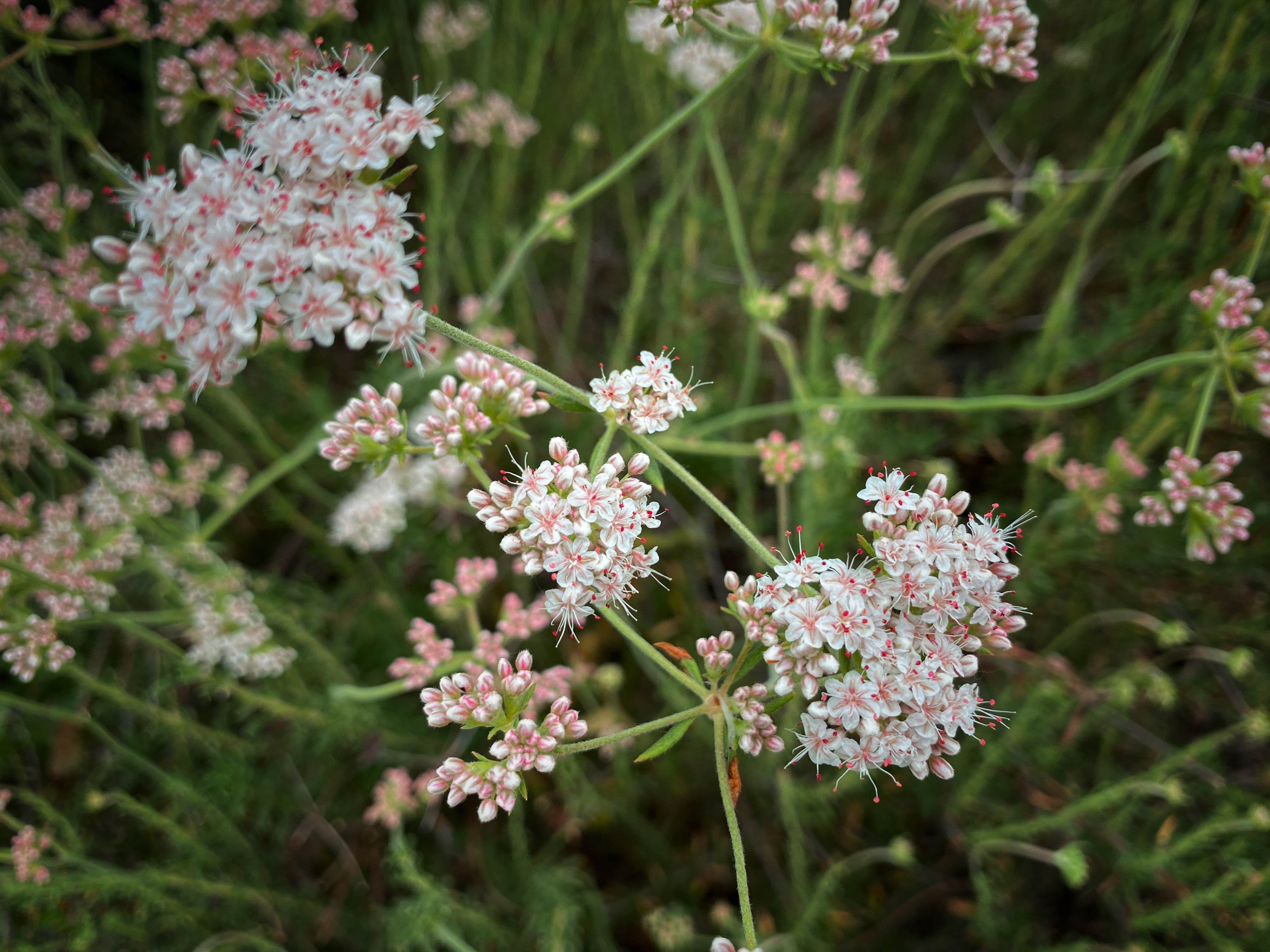

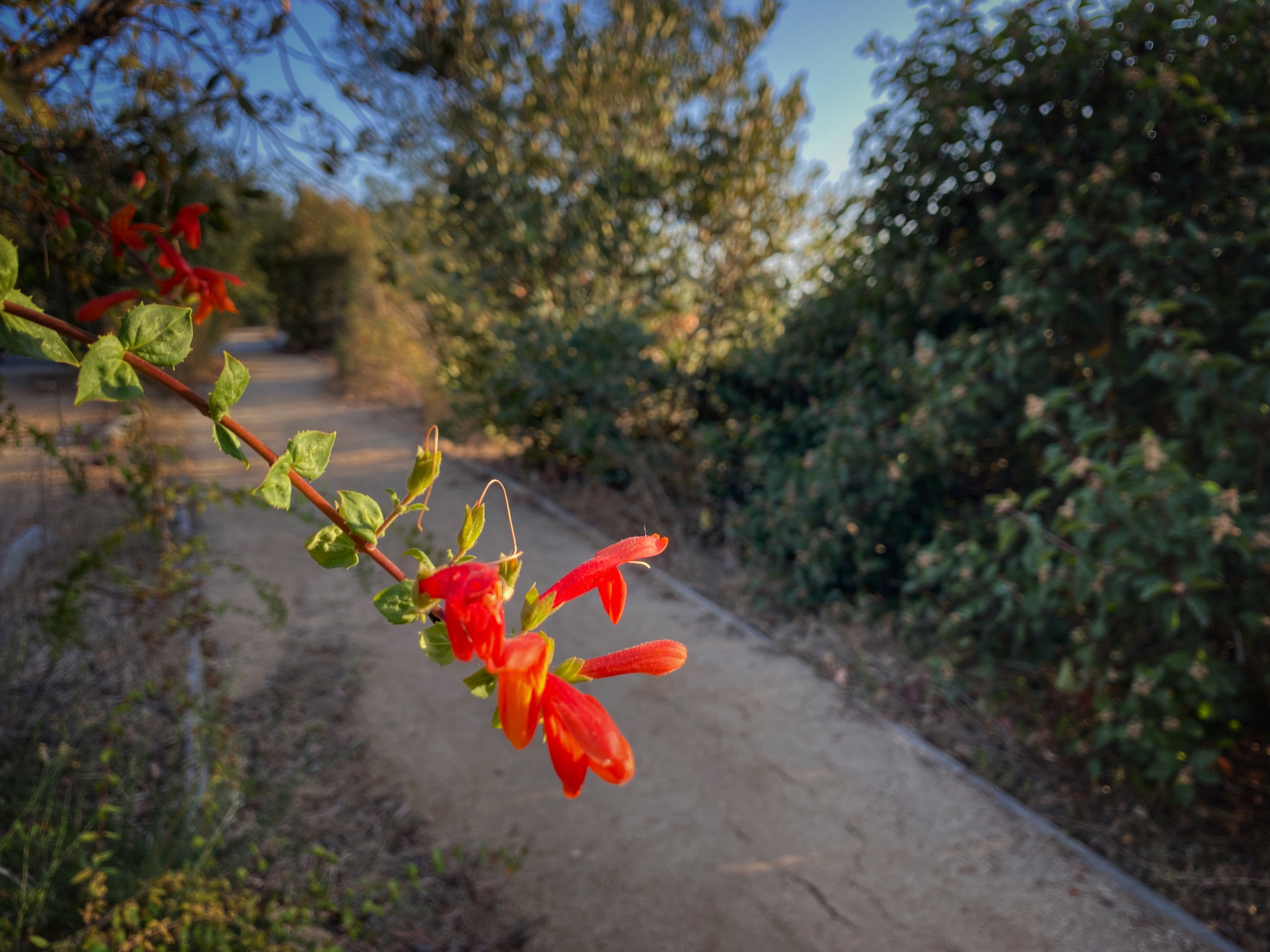

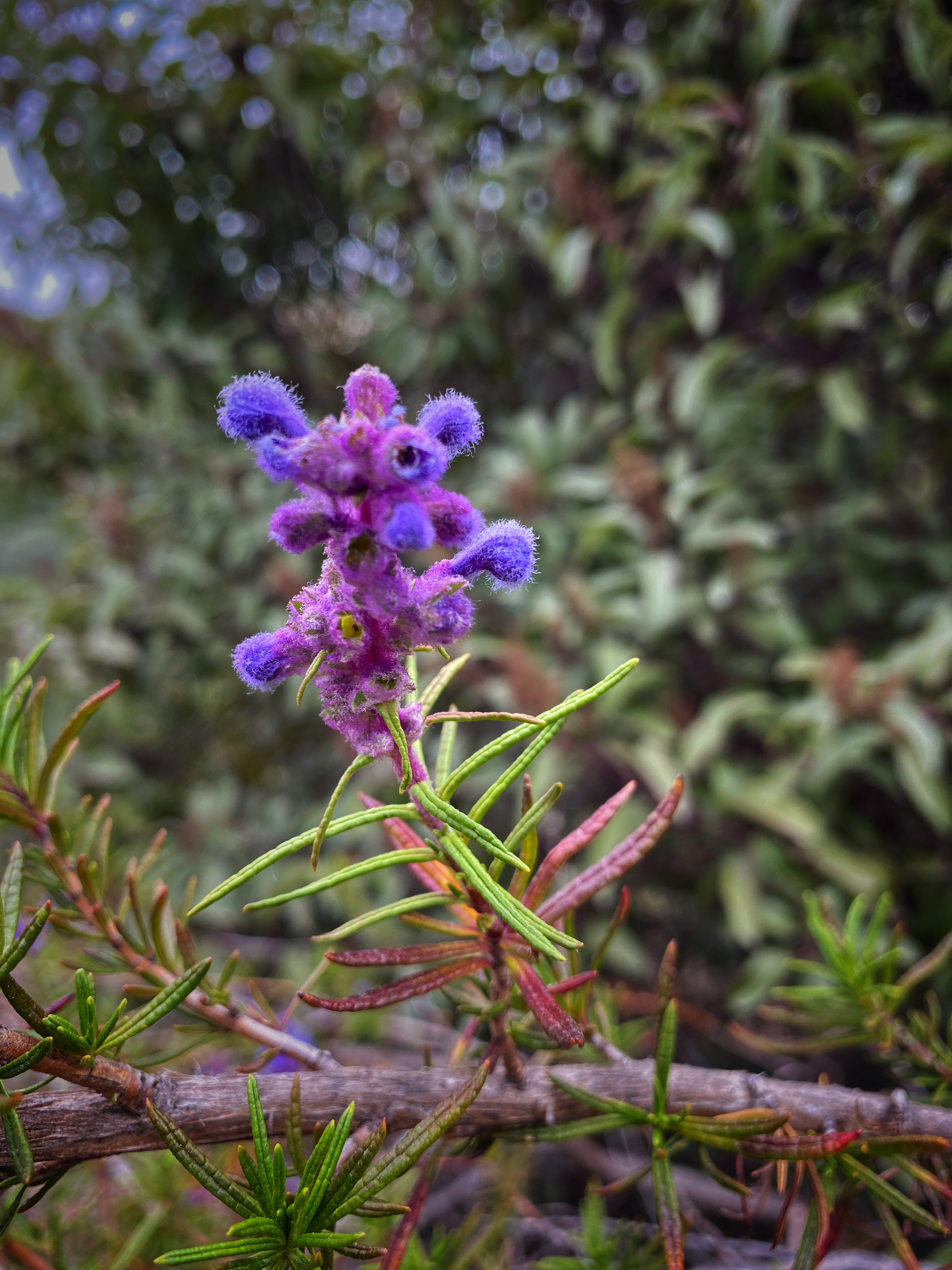
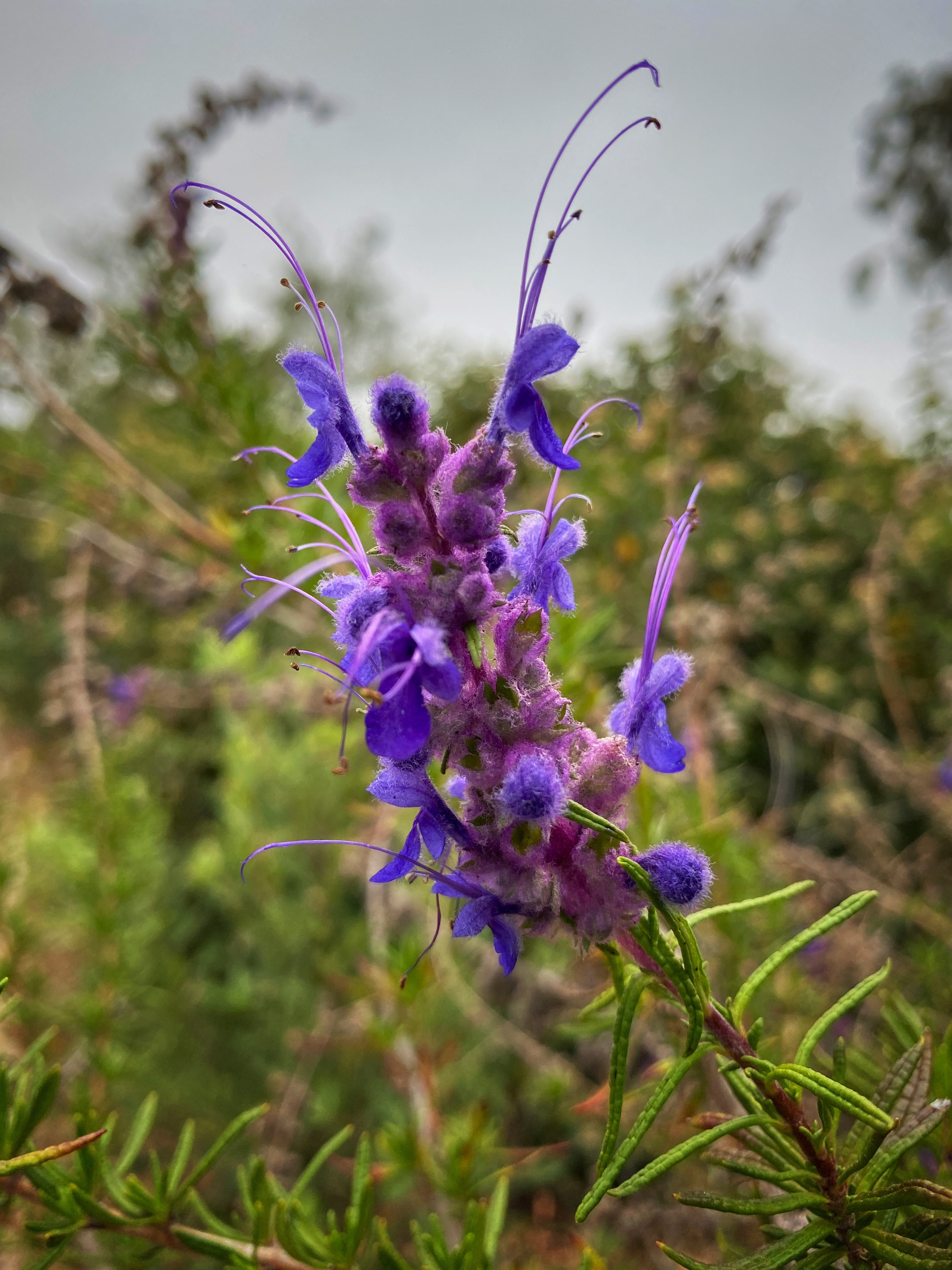
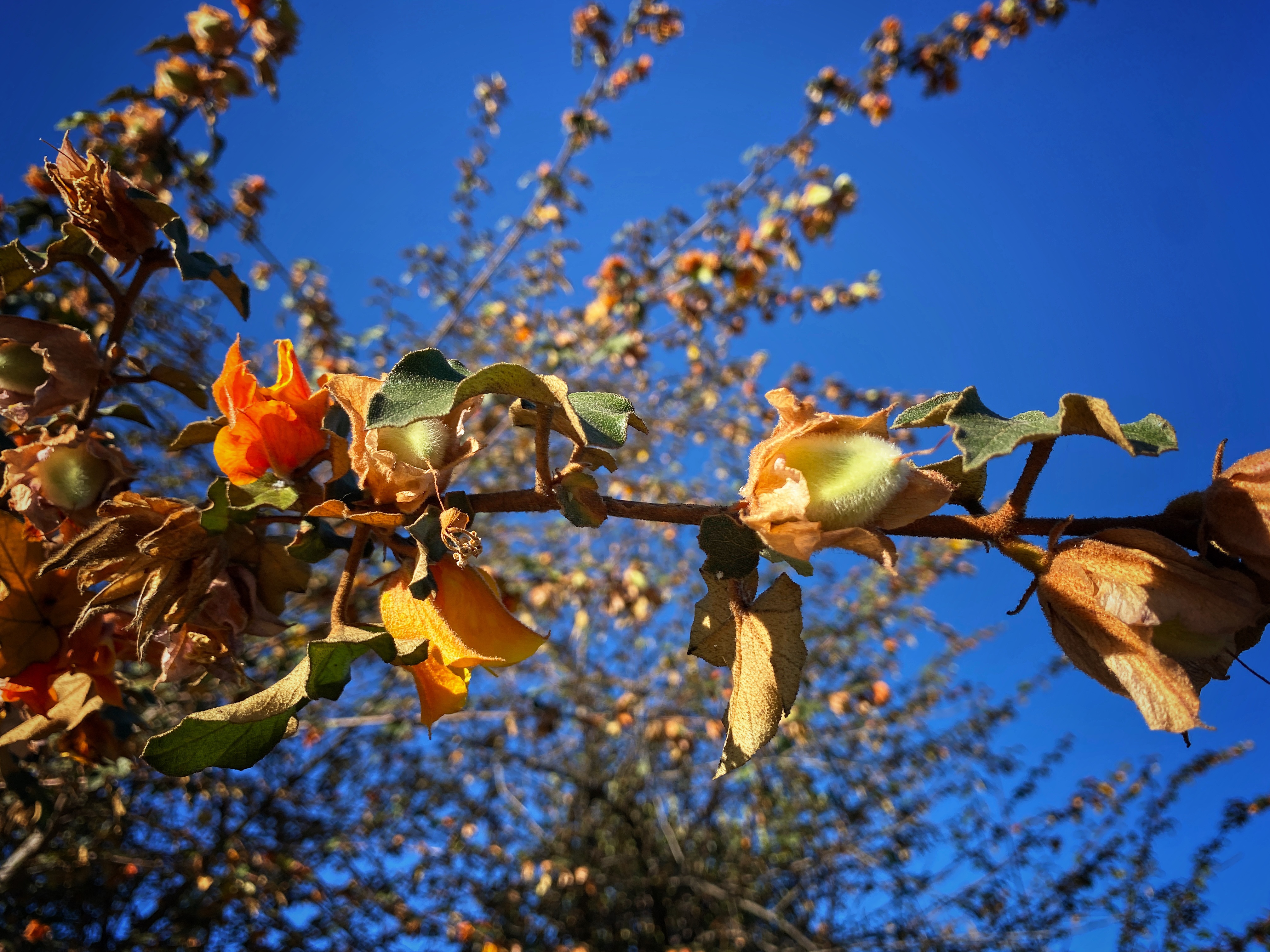
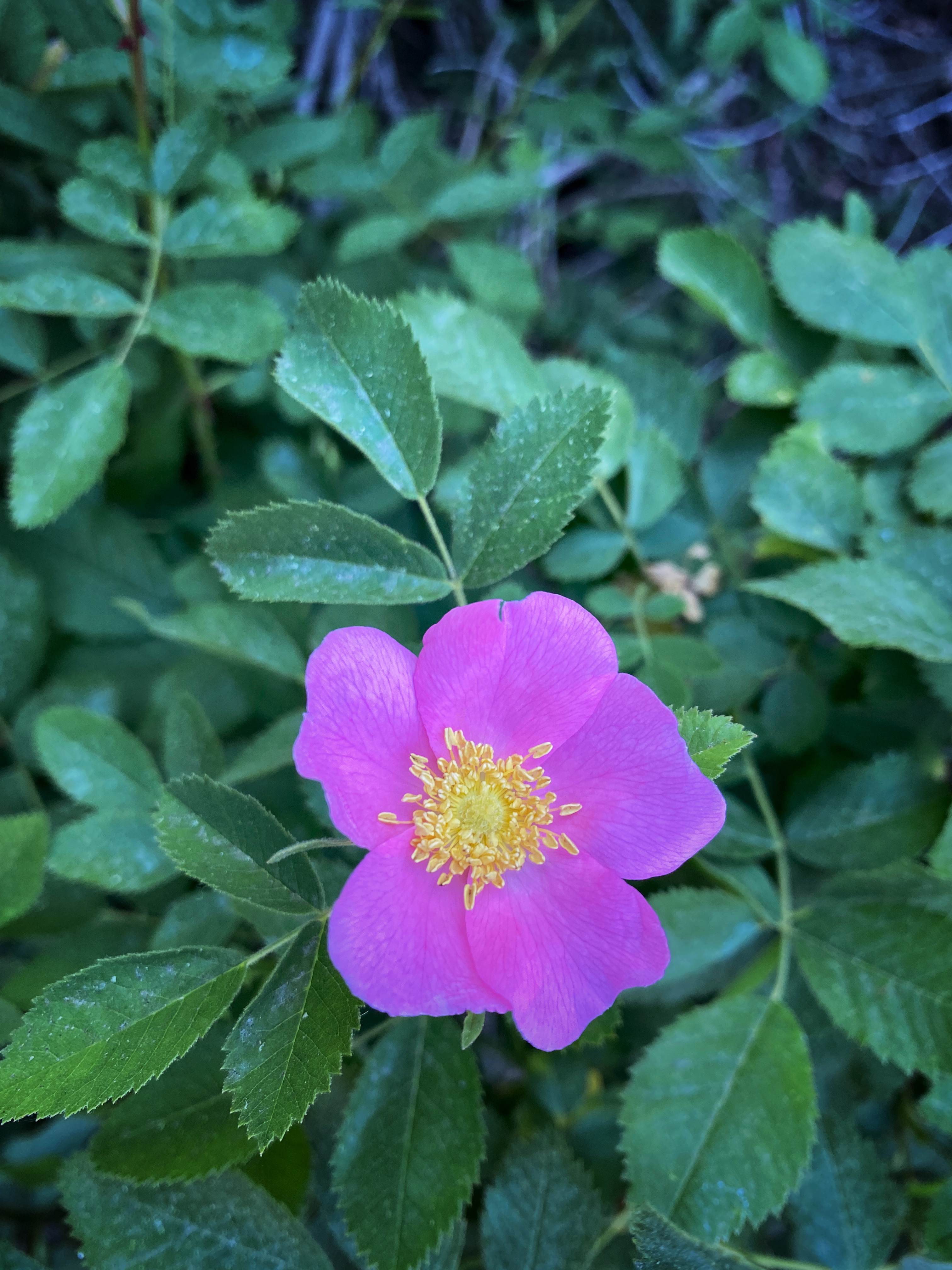
The daily solace and contemplative wandering has continued, but the emphasis this time is on the color instead of just the textures and play of light. All of these photos were taken with a black and white frame of mind, but in the end the contrasting sometimes violent colors were the impulse for capturing the moment. This series of photos were shot and edited on my iPhone over the last month.
Walks on local nature trails and fire roads have become a mostly daily solace and chance to escape the four walls. It’s been almost a year since we started this ritual, and observing the slow changes along familiar paths has been wonderful at times. Here I’ve accumulated a series of photos shot and edited on my iPhone over the last month or so during these walks.

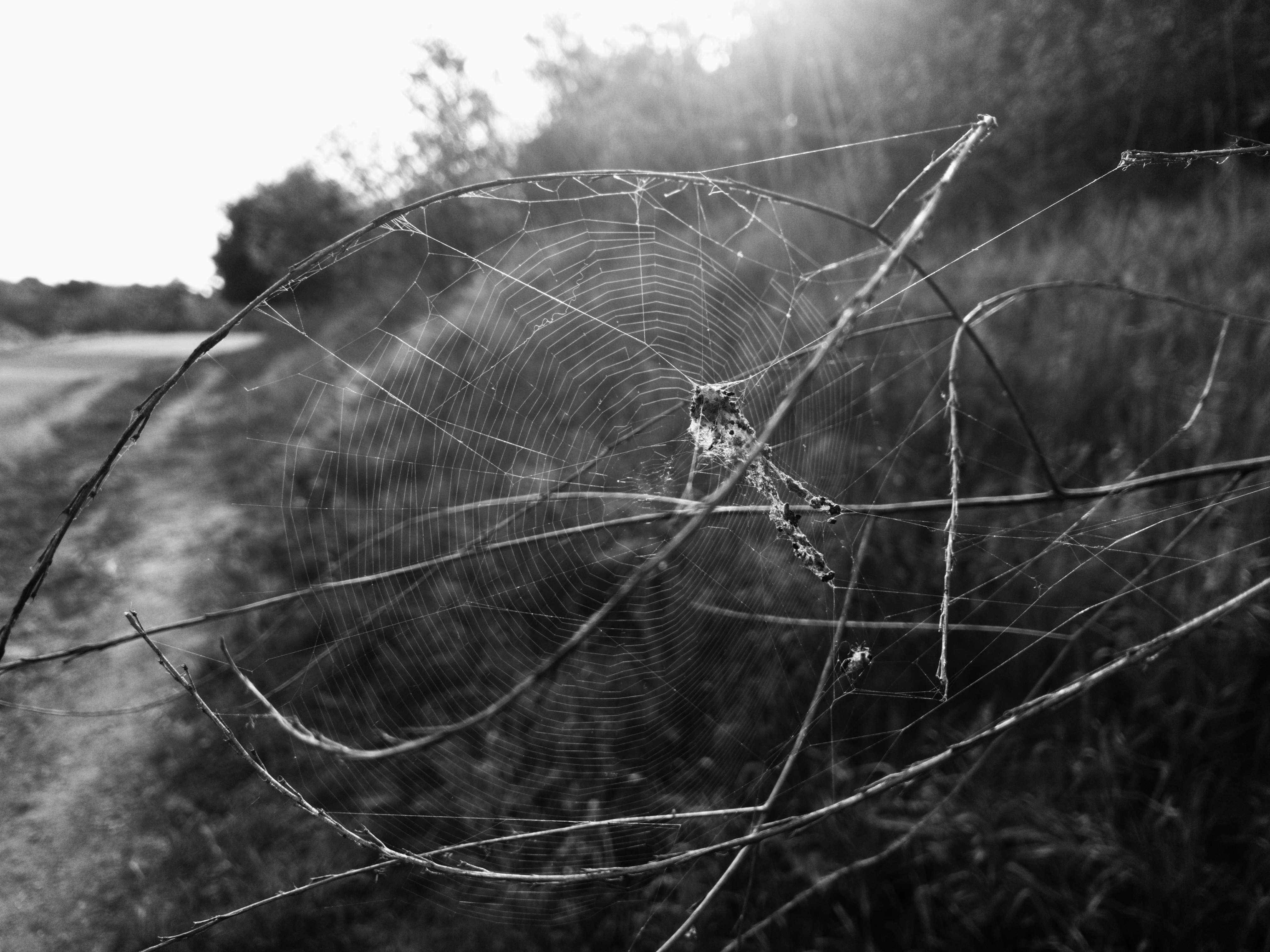



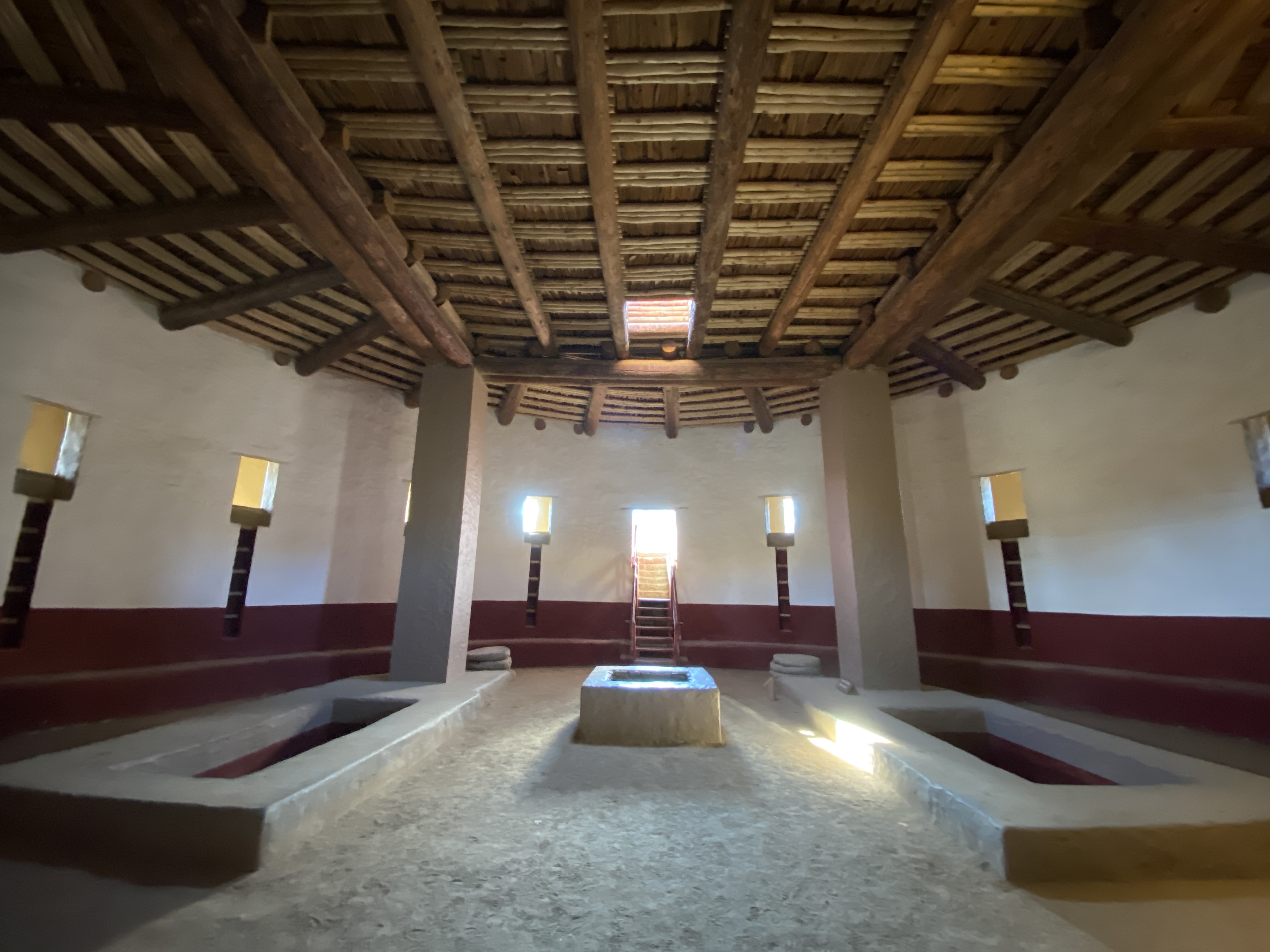
I usually have mixed feelings about reconstructions at archaeological sites, they can either be super kitschy, or overly sterile. The kiva reconstruction in the Pueblo Great House at Aztec Ruins National Monument is by far the best I’ve seen in our National Park Service. When I was there it was a bit too cold, but that’s just because all the windows were open and letting in a ton of natural light with a breeze.
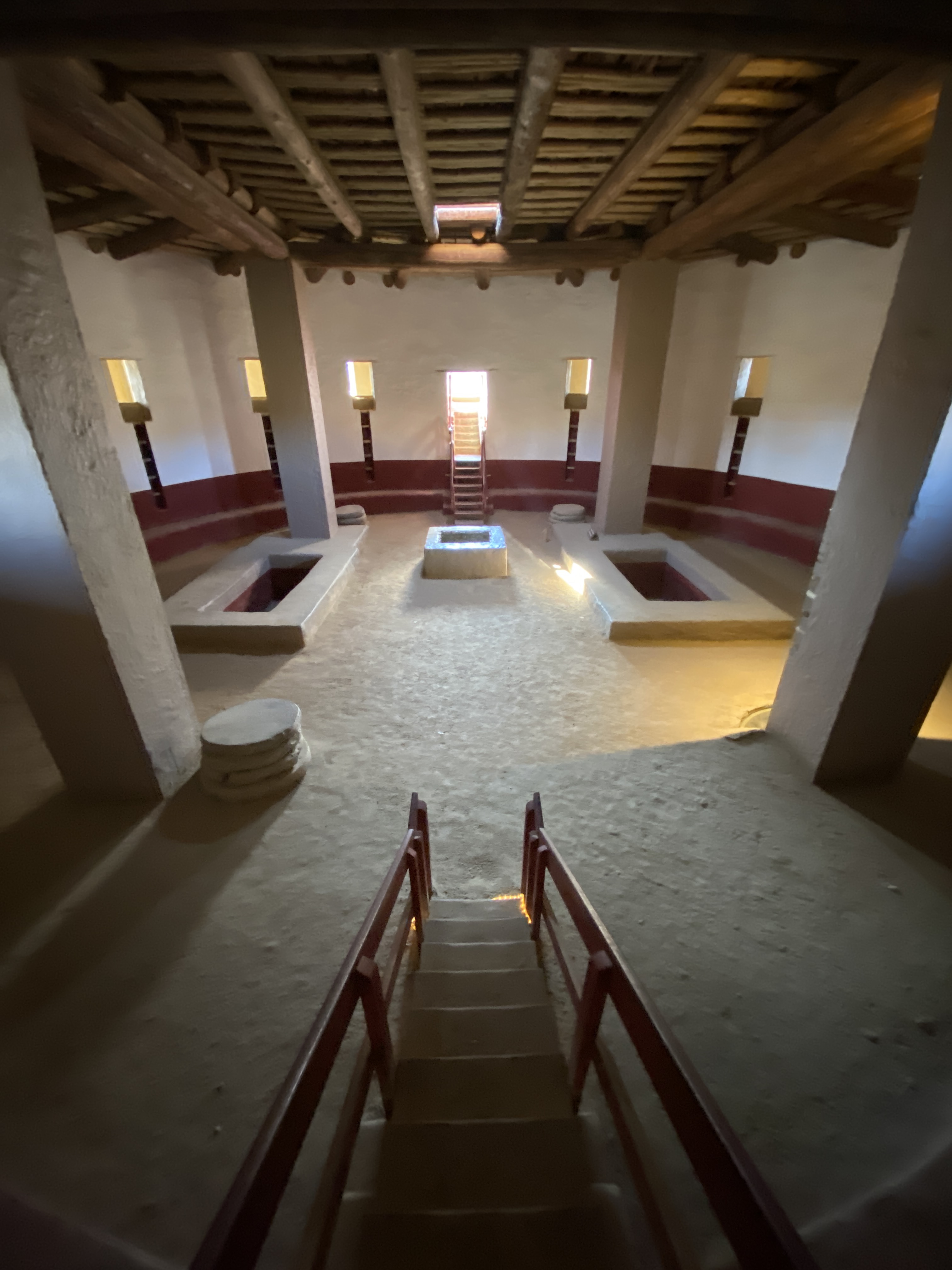
The interior feels very alive, like, in just a few minutes a group of people could come in, light a fire, and start preparations for the days activities. Walking down the stairs to the floor of the kiva feels like being the first person into a civic building or church early in the morning. I came to the kiva knowing that it was a piece of monumental architecture, having read about Pueblo Great Houses, and I left with a much better understanding for the feeling of occupying the space, all that was missing was a nice fire with the sounds and smells of activities.
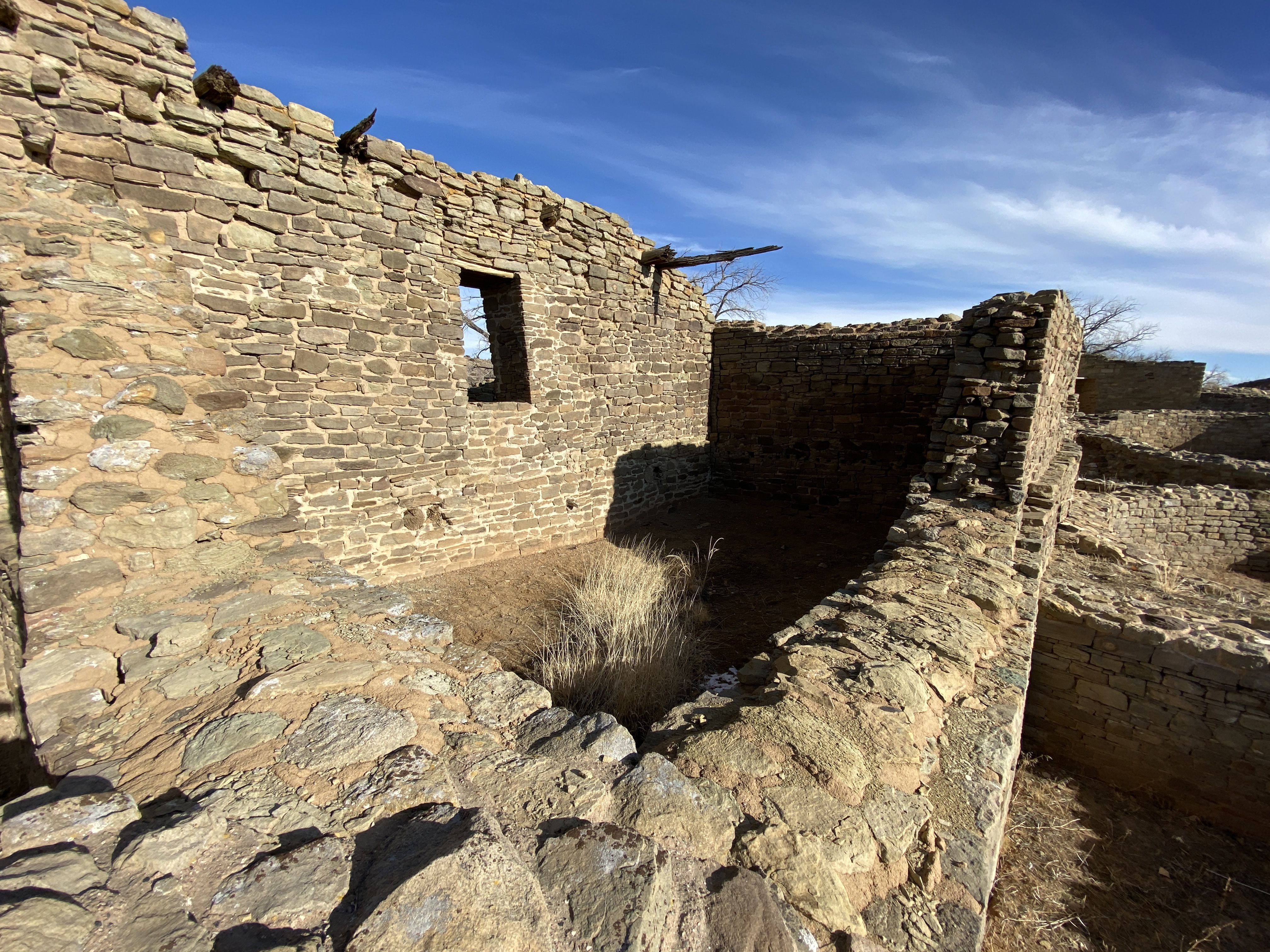
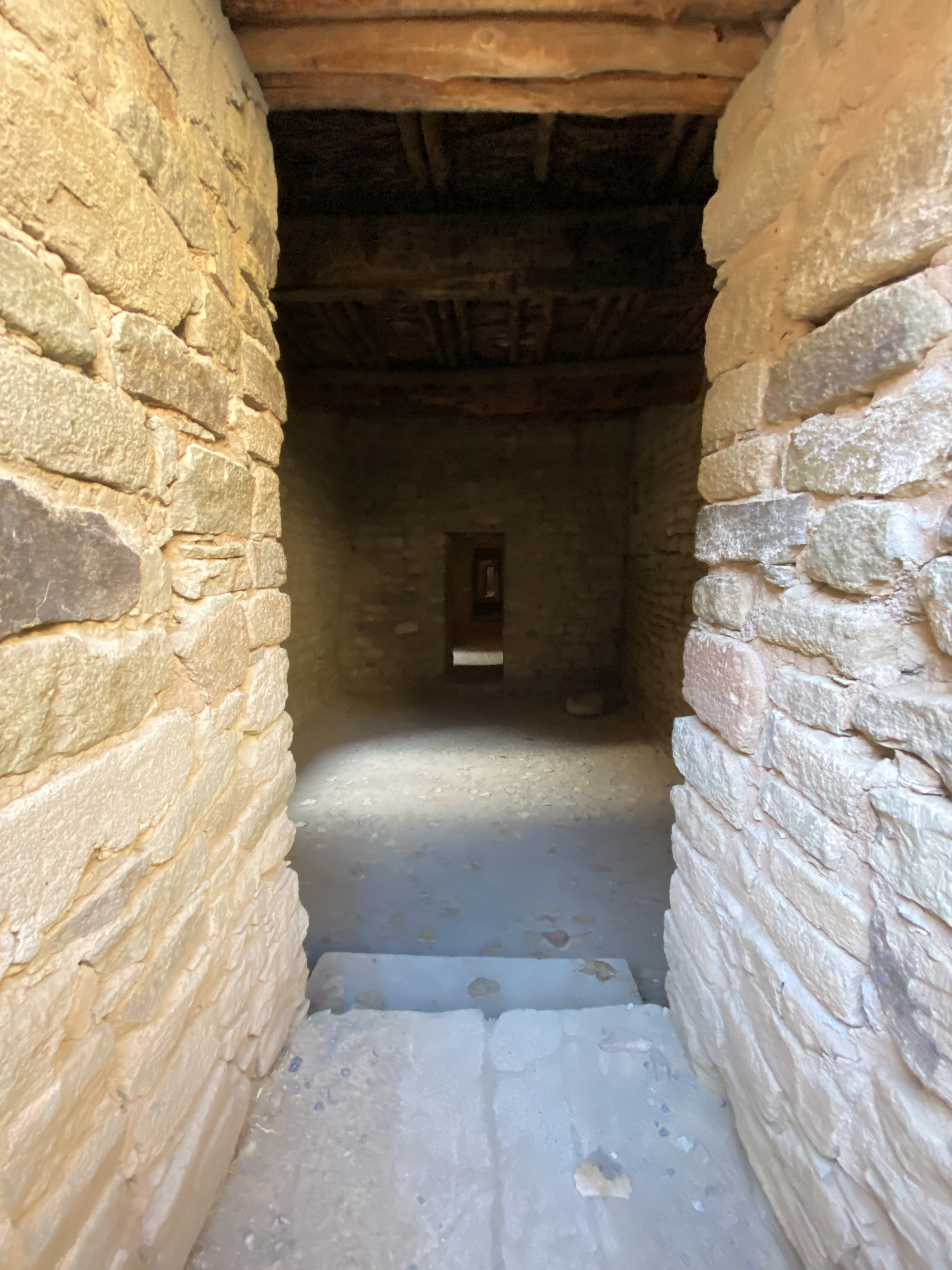
The rest of the walking tour through the 400 room Pueblo Great House that thrived here for a while was very good at contextualizing the room types, centrality of the kivas, and building styles present in this structure versus the others at this National Monument. The beginning of the walking tour starts with entering the kiva reconstruction and the end allowed me to walk into and through a series of rooms that still have their ceilings and portions of their windows and doors intact. After exiting the great house, I walked along the exterior wall, with a greater appreciation for the construction of the great houses and the feeling of being inside without the sky as a ceiling.
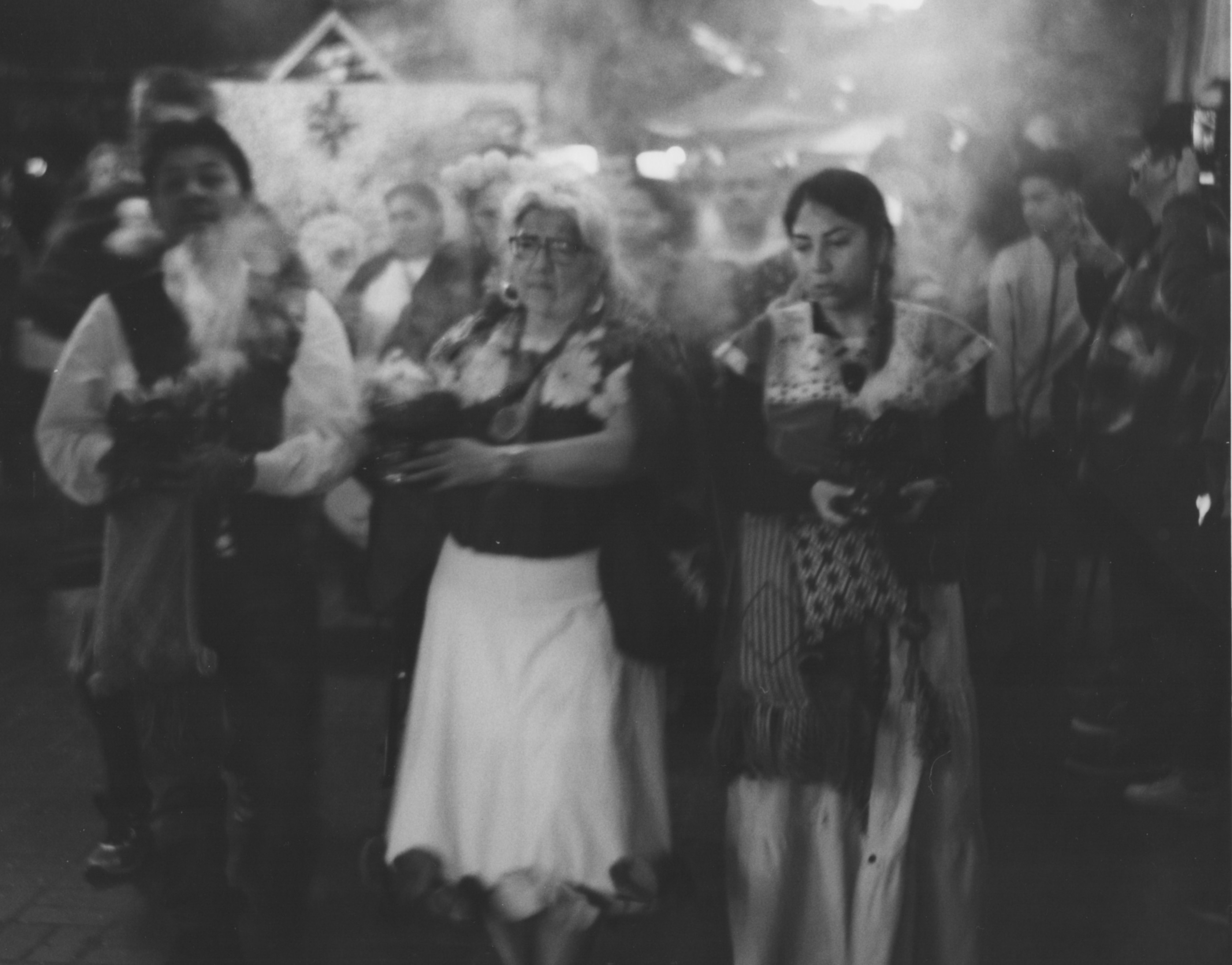
My first print from this year’s Dia de Los Muertos and the novenarios (nine nights of processionals) at Olvera Street and the El Pueblo de Los Angeles Historic Monument.
This year I used my Ventura 66 medium format folding camera, essentially an ultra compact large format camera with a fixed lens and more limited movements, coupled with the film/developer formula of HP5 and D-76 that has worked for me in past years. Those tools combined with Adox MCC 110 silver gelatin paper, which is able to hold so much more subtle detail from the shadows to the mid-range tones including the highlights, have combined to make printing the rolls of film from this year a revelatory practice that has inspired me to go back and revisit previous years to see what I missed before adopting this new paper into my workflow.
This is a scan of a work print on Adox MCC 110 silver gelatin paper, shot on Ilford HP5 medium format film with a Ventura 66 camera.
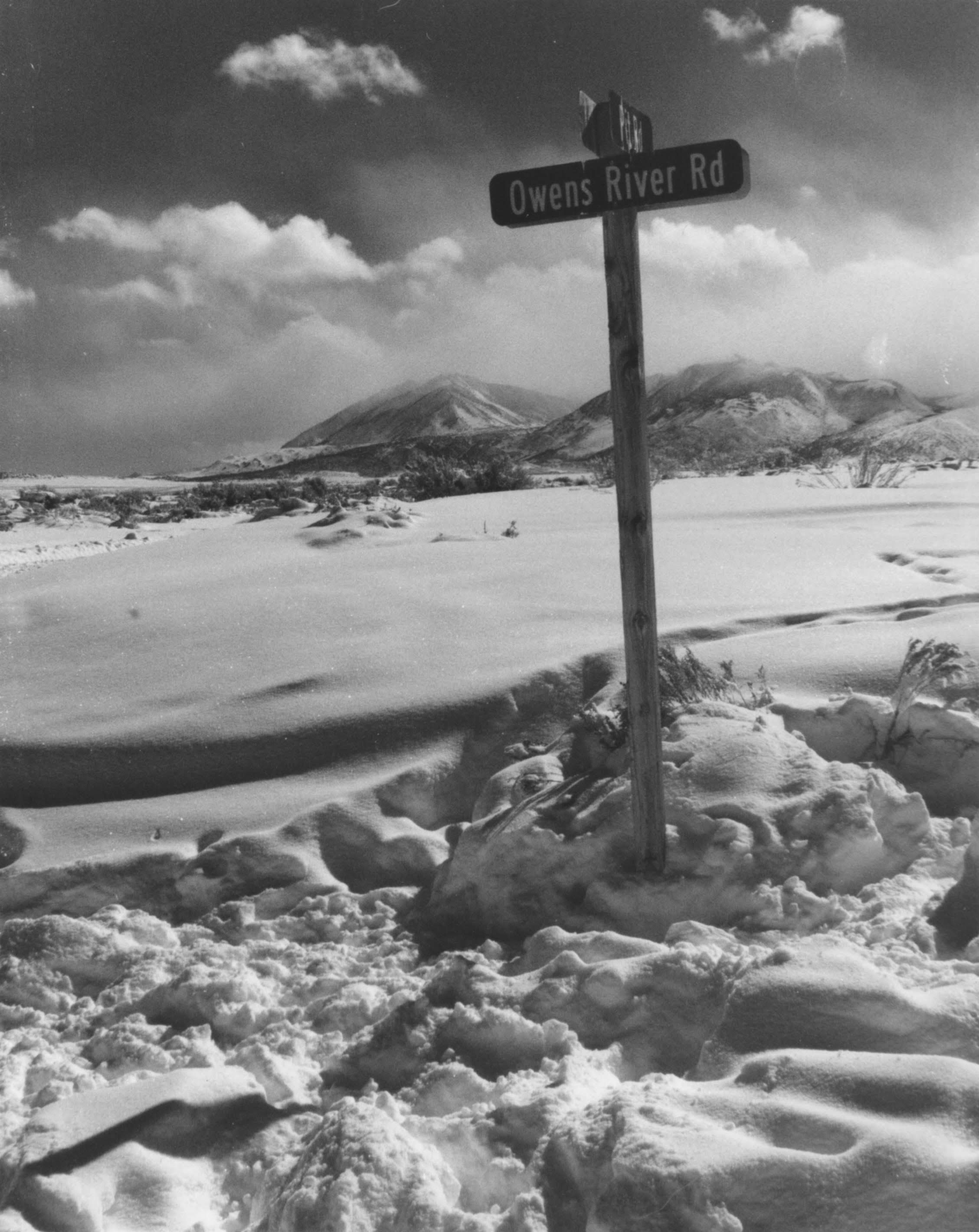
At the crossroads between the hot springs and the dump, Upper Owens Valley, CA. I’m enjoying the moment after shooting this in odd conditions and having the first test prints come out almost exactly how I envisioned it, and showing the potential for the final prints I want.
If you’ve never experienced the basin and range along the sheer granite wall that is the eastern side of the Sierra Nevada Mountains it can be hard to explain. The weather systems can change rapidly and the high altitude lets the sun assault you faster than you’d think. On days like the one I photographed this scene, I’d just been through whiteout conditions, high-winds, sideways snow, and although it was super sunny at the moment of this photo, it was quite cold but the sun was cooking my face.
I’d gone from 1 stop of light if I was lucky earlier that morning, to 8+ stops of light (but probably more as far as my film was concerned with its high UV sensitivity). I made sure to note the conditions so when I processed I ended up retracting the processing -2, in this case with temperature since the water out of the faucet was too cold for processing and needed to be heated anyways.
This is a scan of an 8×10 work print on Ilford MGFB (silver gelatin) paper, shot on Foma Ultra 100 (Arista EDU) black and white 35mm film, with a Canon F-1 camera and a 35mm f/2.0.
 Timothy Dahlum